

Why Your Child Triggers You (And What It's Trying To Teach You)
- Podcast Guest: Vessal Safaei
- Podcast Host: Laura Duggan
In this deeply compassionate conversation, psychotherapist and mental health social worker Vessal joins Laura Duggan to explore how becoming a parent can awaken our deepest attachment wounds while also creating opportunities for healing.
Together they unpack why parenting is far more than a set of skills—it is a relationship that challenges us to confront our own childhood experiences, emotional patterns and expectations. Through the lens of attachment theory, trauma-informed practice, psychoanalytic psychotherapy and neuroscience, they explore perfectionism, parental anger, emotional regulation, rupture and repair, and what it really means to be a "good enough" parent.
The episode also features a moving live therapy session where Laura explores how her own childhood experiences influence her parenting today, revealing how therapy can help parents respond with greater compassion, flexibility and connection.
This episode is for new and expecting parents, parents navigating difficult moments with their children, therapists, and anyone wanting a deeper understanding of attachment, emotional healing and the lifelong relationship between parents and their children.
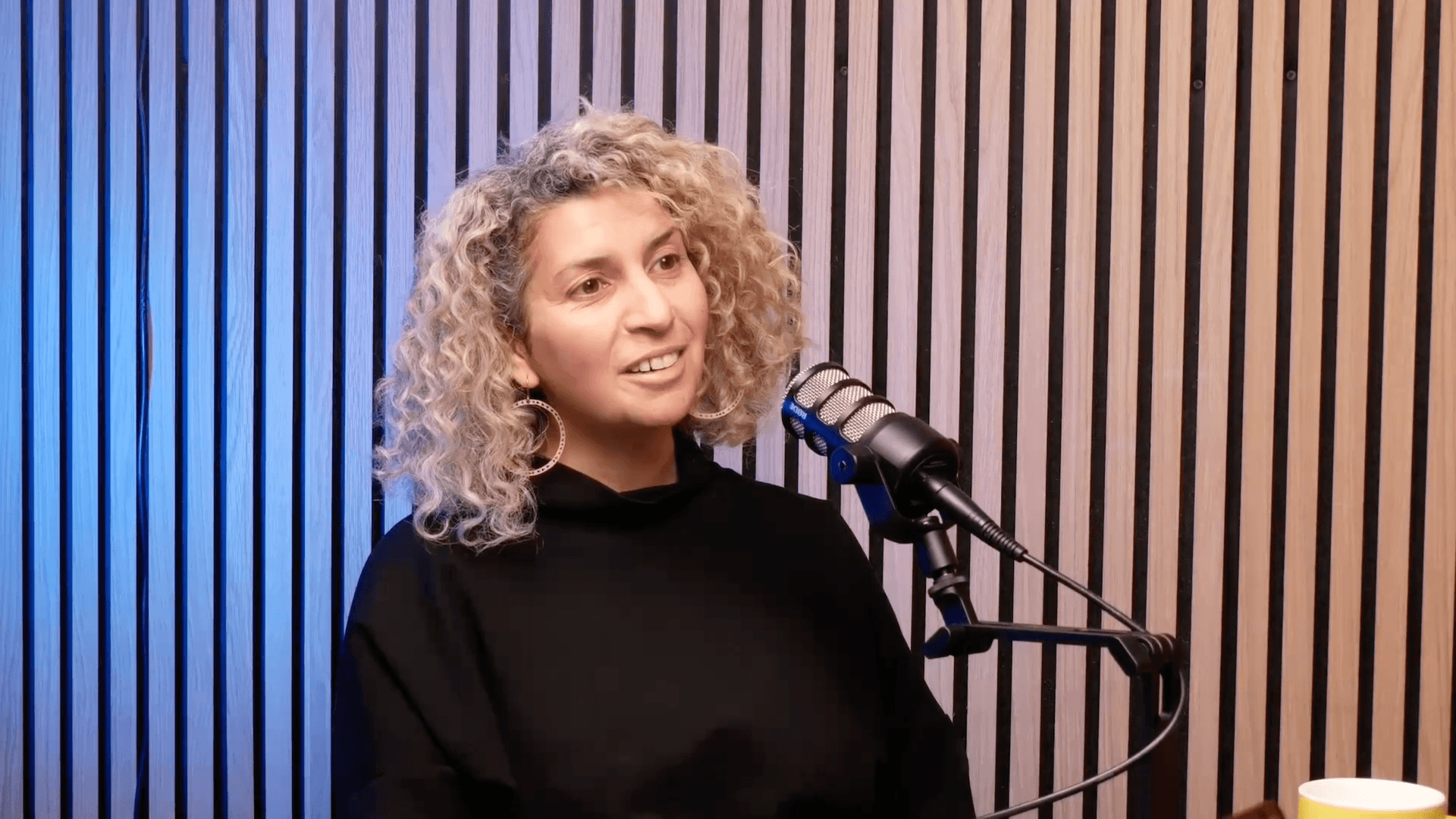
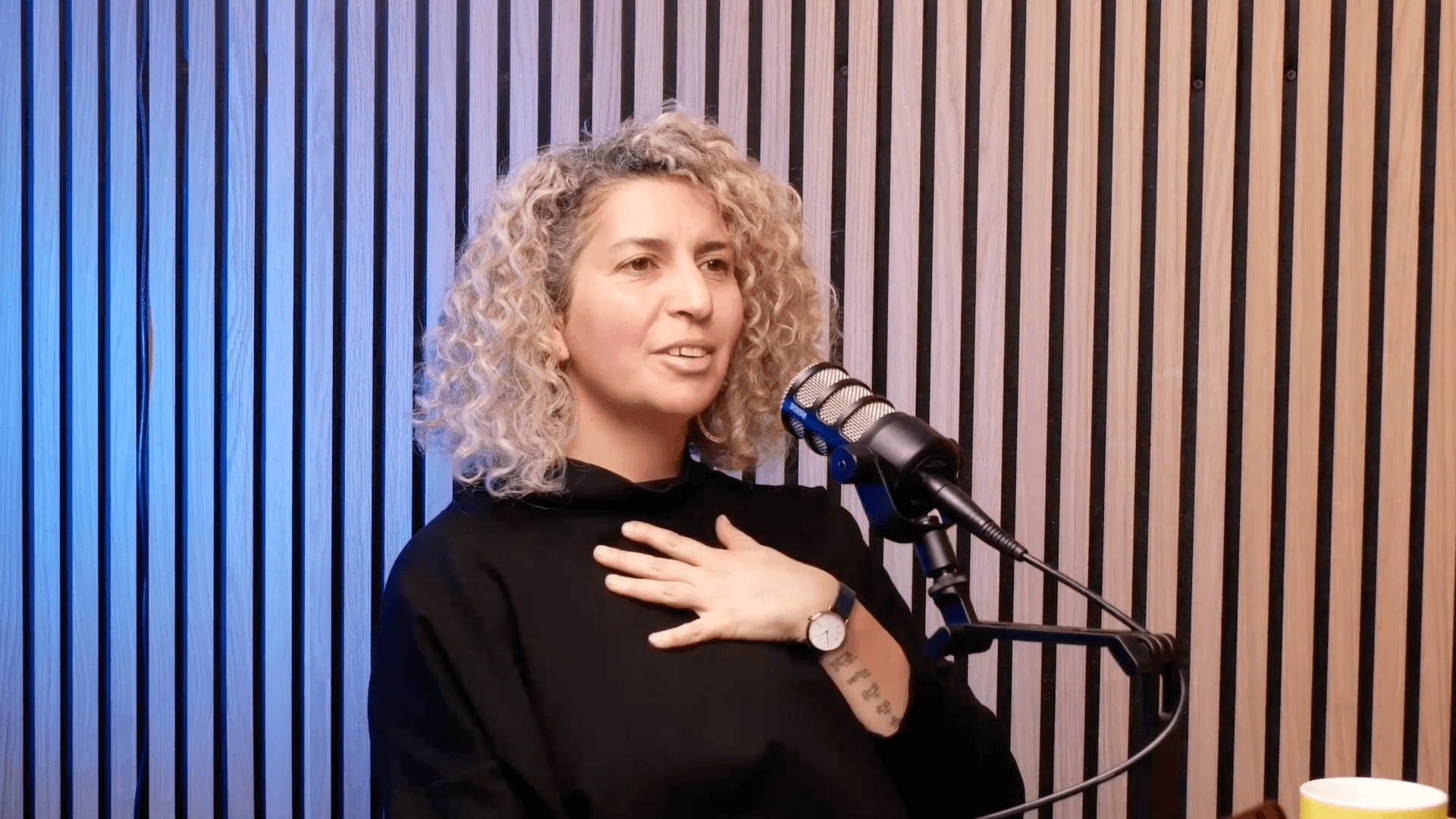
Vessal Safaei
Listen on
Talking Points
- 00:00 – Introduction: Parenthood opens us to profound love—and often to old emotional wounds.
- 02:00 – Meet Vessal: Background as a mental health social worker supporting parents, children and families.
- 06:00 – Expectations vs Reality: Why becoming a parent is both joyful and deeply challenging.
- 12:00 – The Inner Critic: How self-judgment shapes the parenting experience.
- 20:00 – Good Enough Parenting: Why children do not need perfect parents.
- 28:00 – Helping Children Build Resilience: Allowing distress while remaining emotionally available.
- 37:00 – Anxiety, Anger & Shame: Understanding difficult emotions in parents.
- 48:00 – Accepting Help: Why parenting was never meant to happen alone.
- 1:02:00 – Live Therapy Session: A real therapy conversation exploring parenting, anger, rigidity and repair.
- 1:53:00 – Closing Reflections: Holding compassion for ourselves and our children.
Transcript
- 00:00 – Opening
Vessal: One of the things I often say to new parents is that when a baby arrives, you open yourself up to an incredible capacity for love—but with that comes an opening to old wounds. Parenting is a relationship, and like every relationship, it involves uncertainty, mistakes, repair and growth.
If we felt completely confident all the time, it would probably mean we weren't really getting to know the unique little human in front of us. The struggle, the trying, the failing, the repairing—that isn'ta sign you're doing parenting badly. That is parenting.
- 01:04 – Introduction of Guest
Laura: Today I'm joined by Vessal Safaei, a psychotherapist and mental health social worker who has spent more than a decade supporting families, attachment relationships and parents navigating life's biggest transitions.
Vessal's work is grounded in psychoanalytic psychotherapy, attachment theory, trauma-informed practice and neuroscience, helping parents create safe, reflective relationships with both themselvesand their children.
Together we'll explore why our children trigger us, what those moments reveal about our own histories, and how therapy can help parents build stronger, more secure relationships.
You're listening to The Right Therapist, where we demystify therapy.
We'd like to begin by acknowledging the Traditional Custodians of the land on which we live and work. We pay our respects to Elders past and present and extend that respect to all Aboriginal and Torres Strait Islander peoples listening today.
- 02:06 – Vessal's Work
Vessal: Vessal explains that after more than a decade working with families across a range of settings, her practice has become increasingly focused on supporting parents throughout every stage of the parenting journey.
Her work spans pregnancy, the early years of parenting, adolescence and adulthood, helping parents better understand themselves while strengthening their relationships with their children. She also works directly with children through parent-child psychotherapy and play-based therapeutic approaches.
At the heart of her work is curiosity—taking time to understand each family's unique story, culture and circumstances rather than assuming there is one right way to parent.
- 04:32 – Curiosity Over Certainty
Laura: Laura reflects that curiosity seems central to Vessal's work and asks what it's like sitting with families when there are no obvious answers.
Vessal: Vessal explains that she often begins therapy by acknowledging she doesn't yet know what's happening.
Rather than rushing to solutions, she works collaboratively with parents to understand their emotions, experiences and relationships. Whether supporting new parents struggling to bond with a long-awaited baby or helping children express themselves through play, she believes meaningful understanding only emerges by slowing down and making space for uncertainty.
- 06:43 – Why Becoming a Parent Reopens Old Wounds
Vessal: Having a baby opens us to profound love—but it also reawakens our own attachment experiences.
Parenting isn't simply a set of skills; it's a relationship that naturally stirs memories, emotions and unmet needs from our own childhood. Social media often portrays parenting as something we should instinctively know how to do, yet in reality every parent spends time questioning themselves, feeling uncertain and learning through trial and error.
The goal isn't perfection. It's remaining curious about the child in front of us while accepting that mistakes—and repair—are part of healthy relationships.
- 08:24 – The Myth of Perfect Parenting
Laura: Laura reflects on the pressure parents feel to always be patient, loving and emotionally available.
Vessal: Vessal explains that many parents judge themselves harshly for struggling, particularly when difficult emotions like frustration or anger arise.
She introduces the concept of "good enough parenting"—the understanding that children don't need perfectly attuned parents. In fact, learning that relationships include mistakes, repair and reconnection helps children develop resilience and emotional security.
- 11:10 – Listening to What Emotions Are Trying to Tell Us
Vessal: Drawing on psychoanalytic psychotherapy and trauma-informed practice, Vessal explains that beneath our conscious awareness are experiences, memories and emotions that continue to shape how we respond to ourselves and others.
When parents notice feelings like anger, shame or overwhelm, therapy invites them to become curious rather than critical. Understanding these emotional responses creates greater choice in how we relate to ourselves and our children.
- 13:54 – Anger, Shame & Self-Compassion
Vessal: Many new parents feel ashamed when they experience anger toward a crying baby or frustration with their child.
Vessal explains that these emotions rarely mean a parent doesn't love their child. More often, they arise from exhaustion, fear, vulnerability and nervous system overload.
By approaching these feelings with compassion rather than judgment, parents are better able to care for both themselves and their children.
- 15:34 – Why Children Don't Need Perfect Parents
Vessal: Children benefit from caregivers who are emotionally available most of the time—not all of the time.
Experiencing manageable amounts of frustration, disappointment and waiting, while knowing a trusted adult remains nearby, helps children develop resilience, confidence and emotional regulation.
Rather than preventing every difficult feeling, parents help children learn that uncomfortable emotions can be experienced, survived and understood.
- 17:55 – Helping Children Build Resilience
Vessal: Vessal explains that children become resilient not by avoiding difficult emotions, but by experiencing them with the support of a safe adult.
Rather than rushing in to remove every disappointment, parents help children learn that frustration, sadness and uncertainty can be tolerated. Secure attachment comes from knowing that support is available when it is needed—not from never experiencing distress.
- 20:18 – Don't Steal Their Struggle
Laura: Laura shares a phrase that has stayed with her: "Don't steal their struggle."
Rather than fixing every problem or removing every uncomfortable feeling, children benefit from being given opportunities to solve problems, make mistakes and discover their own capabilities while knowing a trusted adult is alongside them.
Vessal: Vessal agrees, explaining that every challenge children successfully navigate strengthens their confidence. When parents constantly step in, children may begin believing they cannot cope without someone rescuing them.
Supporting rather than rescuing allows children to build both resilience and trust in themselves.
- 22:37 – Parenting Through Anxiety
Vessal: Vessal discusses how parental anxiety shapes family life.
When adults struggle to tolerate uncertainty, they often unintentionally communicate that the world is unsafe and that difficult emotions should be avoided. Therapy helps parents recognise these patterns so they can respond from a calmer, more regulated place rather than reacting from fear.
- 24:21 – When Parents Become Dysregulated
Laura: Laura reflects that when she feels calm and regulated, she can easily hold boundaries and support her daughter's emotions. But when she feels anxious or overwhelmed herself, even small conflicts become much harder to manage.
Vessal: Vessal explains that this is entirely normal.
Parents' nervous systems directly influence their children's nervous systems. Some days flexibility and gentleness are possible; on other days everyone simply needs to get through the morning. Self-compassion becomes an important parenting skill.
- 28:42 – Asking For Help
Vessal: One of the greatest challenges for modern parents is accepting help.
Many families are raising children without the extended support systems that previous generations relied upon. Parenthood was never intended to be experienced in isolation.
Learning to ask for and receive support is not failure—it is part of healthy parenting.
- 32:08 – Rules, Flexibility & Being Good Enough
Vessal: Rather than following rigid parenting rules, Vessal encourages parents to remain responsive to the child and the circumstances in front of them.
Consistency is important, but so is flexibility.
Good parenting isn't about getting every de cision right. It's about remaining emotionally available, reflective and willing to adapt as children grow and change.
- 35:26 – Rupture & Repair
Vessal: Healthy relationships inevitably include conflict, misunderstanding and mistakes.
What builds secure attachment isn't avoiding rupture—it's repairing it.
When parents acknowledge mistakes, apologise and reconnect with their children, they model healthy relationships and teach children that conflict does not have to mean disconnection.
- 41:02 – Live Therapy Demonstration
Laura transitions into a live therapy session, exploring why her daughter's emotional rigidity sometimes feels overwhelming.
Together, Laura and Vessal uncover links between Laura's current parenting experiences and her own childhood, particularly around flexibility, emotional expression and responsibility for maintainingrelationships.
Throughout the session, Vessal gently guides Laura toward curiosity rather than self-judgement, helping her recognise how past experiences continue to shape present-day parenting.
- 56:35 – Seeing The Child In Front Of You
Vessal: One of the central themes emerging from the therapy session is the importance of truly seeing the child in front of us, rather than reacting to our own fears, expectations or unresolved experiences.
When parents can hold space for both their own emotional reality and their child's, relationships become more compassionate, flexible and secure.
- 1:08:15 – Good Enough Is Enough
Vessal: Vessal reflects that many parents strive to become perfect in order to protect their relationship with their children.
In reality, secure attachment grows through thousands of ordinary moments of connection—not perfection.
Children don't need flawless parents. They need parents who remain curious, reflective and willing to repair when relationships become difficult.
- 1:11:45 – Closing Reflection
Vessal: Parenting continually invites us back to ourselves.
The moments that trigger us often point toward parts of our own story that still need understanding and compassion. By caring for those parts of ourselves, we create greater capacity to care for our children.
Healing ourselves is one of the greatest gifts we can offer the next generation.
- 1:12:30 – Call to Action
Laura: If this conversation resonated with you, hit subscribe and click the link below to download the Source app.
It's free to get started and helps you find a therapist who truly fits—faster.
Resources
No resources available.
Contact the therapist

Vessal Safaei