

Why We Abandon Ourselves in Relationships
- Podcast Guest: Celia Dunsmore
- Podcast Host: Laura Duggan
In this episode of The Right Therapist, Laura speaks with Celia Dunsmore, an accredited mental health social worker whose work is grounded in attachment theory and trauma-informed therapy.
Celia draws from somatic experiencing, emotion-focused therapy and compassion-focused approaches to help people understand how early relationships shape the way they experience safety, connection and intimacy.
Together they explore how attachment patterns develop in childhood, how they influence adult relationships, and how therapy can help people build new experiences of safety, regulation and connection.
The episode includes a short therapy demonstration that offers a glimpse into how attachment wounds can be explored and integrated in the therapy room.
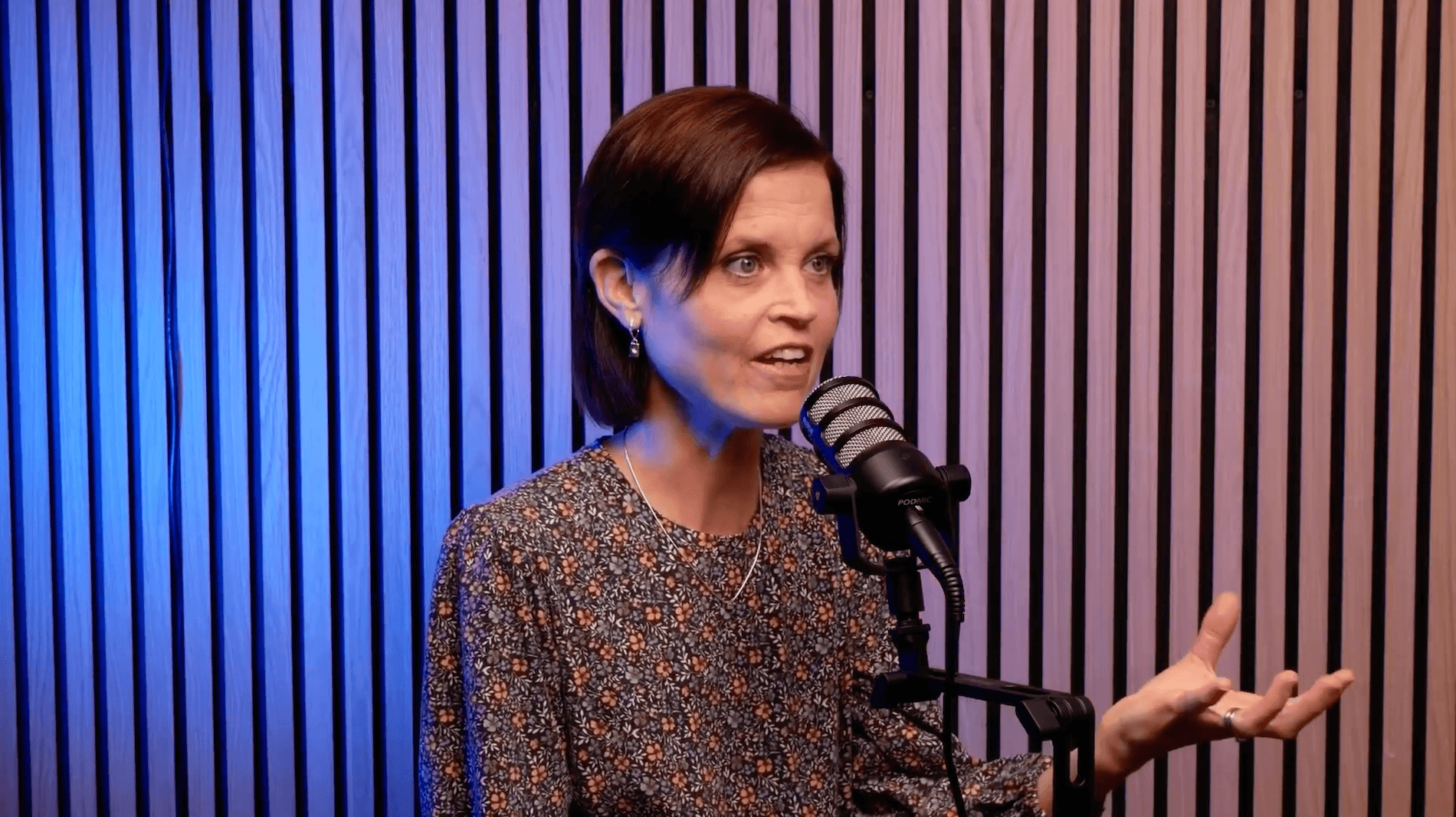
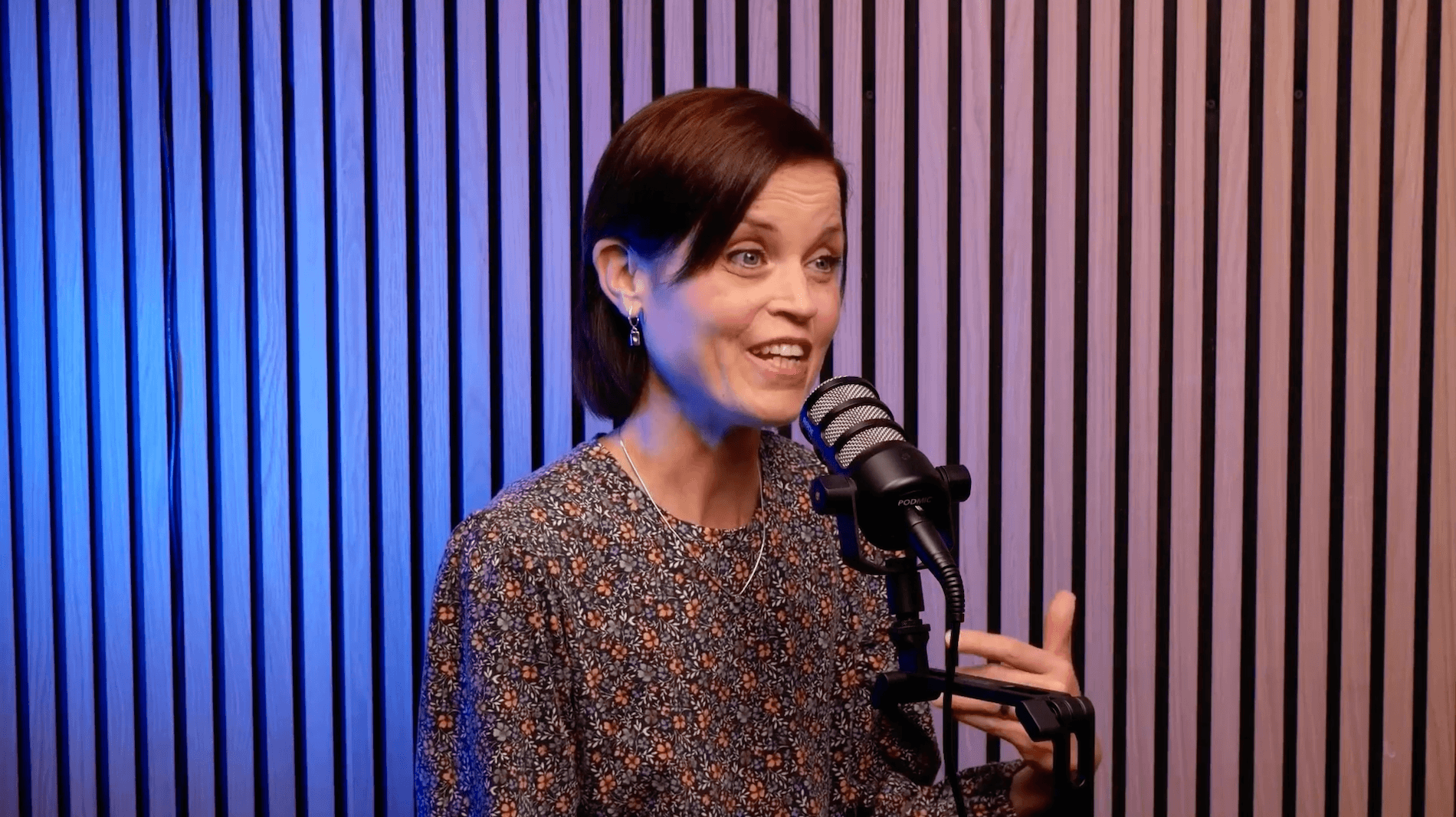
Celia Dunsmore
Listen on
Talking Points
- 00:00 — Childhood survival strategies: How early environments shape protective responses like people-pleasing, fawning and becoming invisible to stay safe.
- 00:38 — Introduction to Celia Dunsmore
- 01:27 — Who Celia works with: Supporting adolescents and adults navigating relational trauma, anxiety, depression and neurodivergence.
- 03:30 — When anxiety has no obvious cause
- 04:26 — How early experiences shape the nervous system
- 06:36 — Why therapy often revisits childhood
- 08:08 — Regulation and nervous system safety
- 09:51 — Introduction to attachment theory
- 11:40 — Therapy demonstration begins
- 13:34 — Exploring early attachment experiences
- 16:02 — How infants adapt for survival
- 18:27 — Family dynamics and emotional safety
- 20:30 — Grieving unmet childhood needs
- 23:02 — Meeting the younger self in therapy
- 25:05 — Reparenting and compassion
- 28:04 — The role of the therapist
- 31:03 — Why attunement matters
- 33:41 — Cognitive insight vs embodied healing
- 36:00 — The courage required for therapy
- 40:29 — Collaboration in the therapeutic relationship
- 44:04 — Repairing relational ruptures
- 48:07 — How healing changes everyday behaviour
- 50:40 — Parenting after doing personal therapy
- 54:41 — Secure attachment explained
- 57:21 — Avoidant attachment
- 1:01:00 — Disorganised attachment
- 1:04:34 — Are attachment styles problems?
- 1:06:32 — Can relationships work without secure attachment?
- 1:08:49 — Navigating relationships with avoidant partners
- 1:12:01 — From conflict to co-regulation
- 1:14:05 — Closing reflections
Transcript
- 00:00 – Opening
Celia: In your formative years, you might not have had the safety you needed, so you survived by abandoning your own needs — people-pleasing, appeasing, fawning, becoming invisible or smaller in order to stay safe.
But with the awareness you gain through therapy, you can meet those parts of yourself with compassion. You can understand where those responses came from and know that it’s okay when they still show up sometimes.
You can try again. You can go back. It’s never too late.
- 00:38 – Introduction of Guest
Laura: I'm joined by Celia Dunsmore, an accredited mental health social worker whose work is grounded in attachment theory and guided by a deep belief in each person’s capacity to heal.
Celia draws from somatic experiencing, emotion-focused therapy and compassion-focused CBT to help people build safety, connection and self-understanding.
Together we'll explore how our early attachments shape us and how therapy can help us create new healing relationships with ourselves and others.
You're listening to The Right Therapist, where we demystify therapy.
We’d like to begin by acknowledging the traditional custodians of the land on which we live and work. We pay our respects to elders past and present and extend that respect to all Aboriginal and Torres Strait Islander peoples listening today.
- 01:24 – Welcome
Laura: Welcome Celia.
Celia: Thank you so much, Laura. Lovely to be here.
- 01:27 – Celia’s Work
Laura: Can you tell me a bit about your work? Who you work with and what kind of work you do?
Celia: I’m in private practice and work with young people from early adolescence through to adulthood. People come for many reasons, but usually they’re looking for a safe space to make sense of what’shappening for them in the present and how past experiences might still be affecting them.
A lot of what I see relates to relational trauma and how it affects people’s relationship with themselves and others. Often this shows up as anxiety, depression, self-harm, or difficulties trusting people.
I also work with people newly diagnosed with neurodivergence who are trying to understand how that shapes their experience and how they can create a life that fits them better.
At the heart of my work is the belief that many of our struggles come from experiences that haven’t yet been processed. Therapy creates the space where people can make sense of those experiences and begin integrating them in a healthier way.
- 03:31 – When Anxiety Has No Clear Cause
Laura: I think many people arrive in therapy without being able to trace where their anxiety came from.
Some people might say, “I had a pretty good childhood, so why do I feel like this?”
Sometimes people come with a specific event they want to work through, but often people arrive simply with the feeling that something isn’t right — that they don’t feel okay in the world.
And it’s such a relief to discover that those symptoms actually came from conditions that shaped us, rather than believing there’s something wrong with us.
- 04:26 – How Early Experiences Shape Us
Celia: Exactly.
Our early experiences shape our core beliefs about ourselves — whether we’re safe in the world and whether we’re safe with other people.
Those beliefs are actually survival adaptations. They helped us navigate the environment we grew up in.
But as our lives evolve, those beliefs may no longer be helpful — yet they still drive our nervous system responses and automatic thoughts.
That’s why therapy often involves exploring early experiences, understanding how they shaped our nervous system, and helping people reclaim agency.
Through that process, people can re-experience parts of themselves that were hurt and integrate them in ways that feel more whole.
- 06:36 – Why Therapy Revisits Childhood
Laura: People sometimes wonder how talking about childhood could possibly help.
Often our instinct is to lock painful experiences away and never revisit them.
But in therapy, those symptoms become doorways into understanding what’s happening in the body and nervous system.
We can revisit those early experiences — not to change what happened, but to experience them differently and offer the care that part of us needed.
- 08:08 – Nervous System Regulation
Celia: Yes.
When that younger part feels heard, seen and held, our nervous system can shift out of fight-flight-freeze and move back into a regulated state.
That’s when we regain space and control over our reactions.
Therapy helps people learn how to recognise when they’re becoming dysregulated and how to care for themselves in those moments.
- 09:51 – Attachment and Relationships
Laura: Attachment is such a fascinating area because it impacts so many aspects of life — romantic relationships, friendships, work relationships, and our relationship with ourselves.
It’s incredibly foundational.
- 11:40 – Live Therapy Demonstration
(Laura transitions into a short therapy demonstration exploring attachment experiences.)
Laura notices a physical sensation and begins describing memories and feelings connected to early experiences.
Celia guides her gently into exploring sensations, emotions, and younger parts of herself connected to those feelings.
- 13:34 – Exploring Early Experiences
Laura describes a memory connected to feeling like she had to be an “easy” child — someone who didn’t take up space or create problems.
As she explores further, sadness emerges around the feeling that she wanted more attention and care than was available.
- 16:02 – Survival Responses in Childhood
Celia explains how the autonomic nervous system adapts very early in life.
Even infants begin developing survival strategies — including dissociation or shutting down — when their environment doesn’t feel consistently safe.
- 20:30 – Grieving Unmet Needs
Laura recognises grief around the unmet needs of her younger self.
She describes the feeling of wanting more emotional space and care than was available.
- 23:02 – Meeting the Younger Self
Through the process, Laura imagines holding her younger self and offering reassurance and care.
The younger part begins to feel safer and more included in the present.
- 28:04 – The Role of the Therapist
Laura reflects on how having a therapist guide the process allows deeper emotions to emerge that might otherwise stay hidden.
Celia explains how the therapeutic relationship provides safety and attunement that allow deeper healing.
- 33:41 – Cognitive Understanding vs Embodied Healing
They discuss how cognitive insight alone often isn’t enough to create change.
Real healing happens when experiences are felt and integrated through the body and nervous system.
- 40:29 – Collaboration in Therapy
Celia explains the importance of collaboration between therapist and client.
Clients should feel empowered to question, reflect, and name moments where they feel disconnected in therapy.
Repairing those moments strengthens the therapeutic relationship.
- 48:07 – How Healing Changes Behaviour
Laura describes a moment in everyday life when she realised she could assert herself calmly — something that previously felt impossible.
They discuss how therapy gradually changes automatic patterns over time.
- 50:40 – Parenting After Therapy
They explore how doing personal therapy affects parenting.
Being able to repair mistakes and regulate emotions creates healthier attachment patterns for children.
- 54:41 – Introduction to Attachment Theory
Celia explains attachment as the system that helps us determine whether we are safe in the world.
Human beings are wired for connection, and early relationships teach us how safe it is to rely on others.
- 57:21 – Secure Attachment
Secure attachment develops when caregivers consistently respond to a child’s needs.
This creates a sense of safety that allows individuals to explore the world while maintaining healthy connections.
- 59:30 – Avoidant Attachment
Avoidant attachment can develop when children experience emotional distance or unpredictability from caregivers.
They learn to rely on themselves and keep emotional distance to stay safe.
- 1:01:00 – Disorganised Attachment
Disorganised attachment often arises when caregivers are both a source of comfort and fear.
This can create conflicting impulses to both seek and avoid connection.
- 1:04:34 – Are Attachment Styles Problems?
Celia emphasises that attachment styles are adaptations — intelligent responses to the environments we grew up in.
They are not disorders or flaws.
- 1:06:32 – Can Relationships Work Without Secure Attachment?
Healthy relationships can exist across many attachment styles.
The key is awareness and the ability to recognise patterns and work with them.
- 1:08:49 – Navigating Relationships With Avoidant Partners
They discuss how relationships can improve when both partners are willing to acknowledge patterns and communicate about them.
Understanding each other’s fears and triggers creates opportunities for repair and connection.
- 1:12:01 – From Conflict to Co-Regulation
When partners share vulnerability and work through moments of disconnection together, they build stronger emotional regulation and trust.
- 1:14:05 – Closing
Laura: If this conversation resonated with you, hit subscribe and click the link below to download the Source app.
It’s free to get started and helps you find a therapist who truly fits — faster.
Resources
No resources available.
Contact the therapist
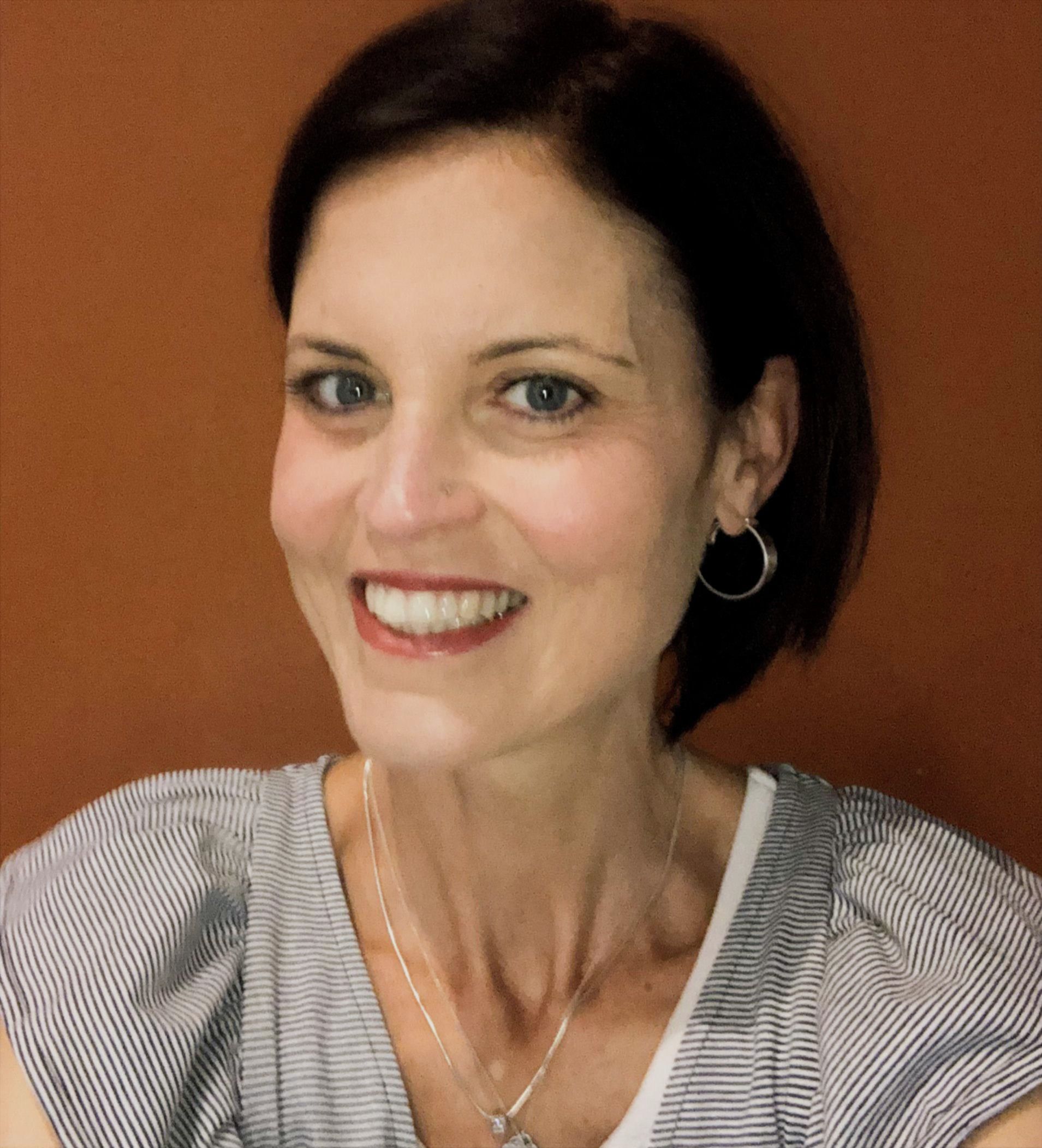
Celia Dunsmore