

Why Grief Doesn’t End (And Why That’s Okay)
- Podcast Guest: Chelsea Herbert
- Podcast Host: Laura Duggan
In this episode of The Right Therapist, somatic psychotherapist Chelsea Herbert explores grief, trauma, nervous system healing, and the transformative power of softening into emotion rather than resisting it. Through conversations around Internal Tracking, body-based therapy, voice work, and wilderness practices, Chelsea shares how reconnecting with the body can help us move through pain, rediscover self-trust, and return to a deeper sense of aliveness and connection.
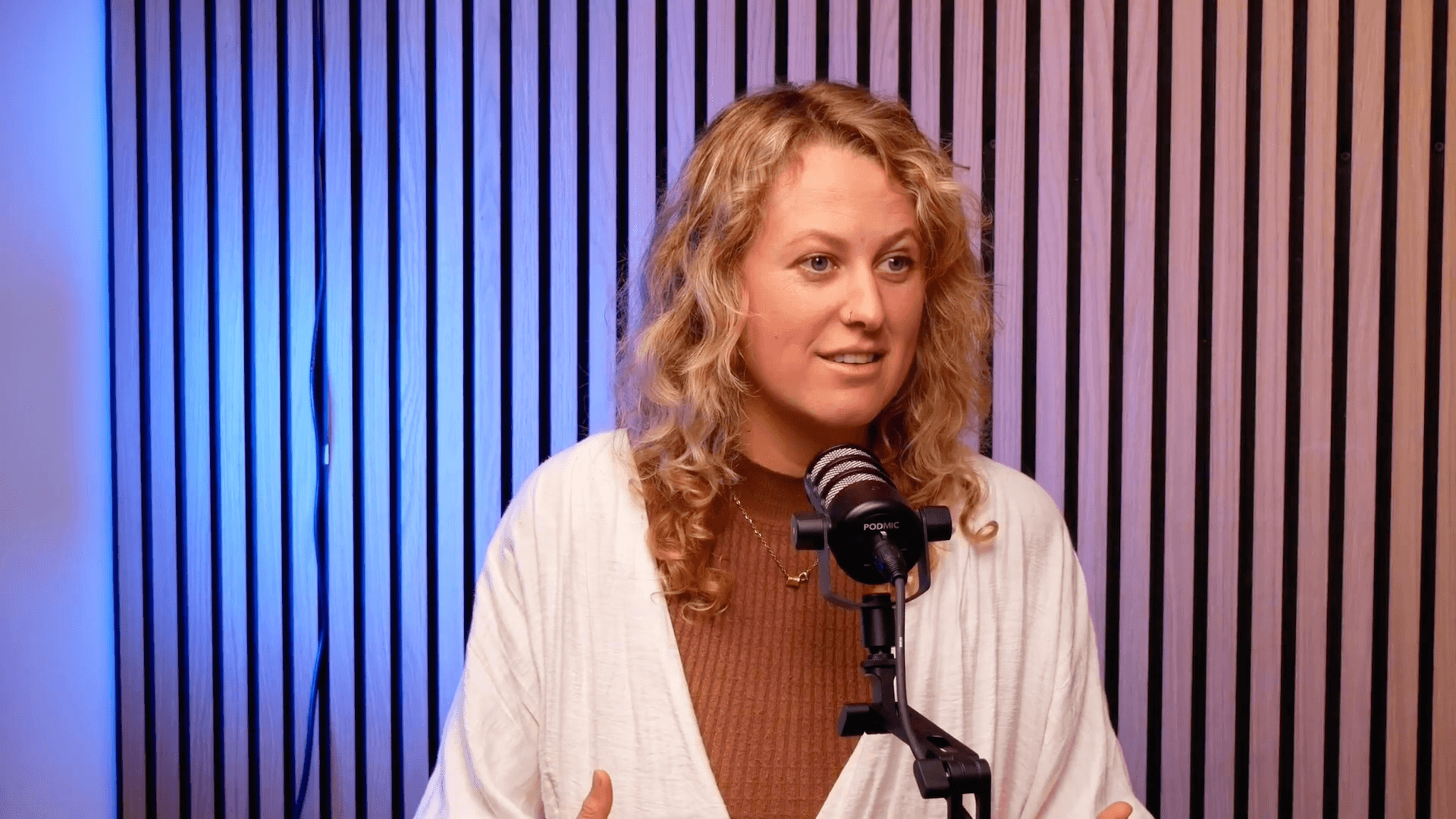
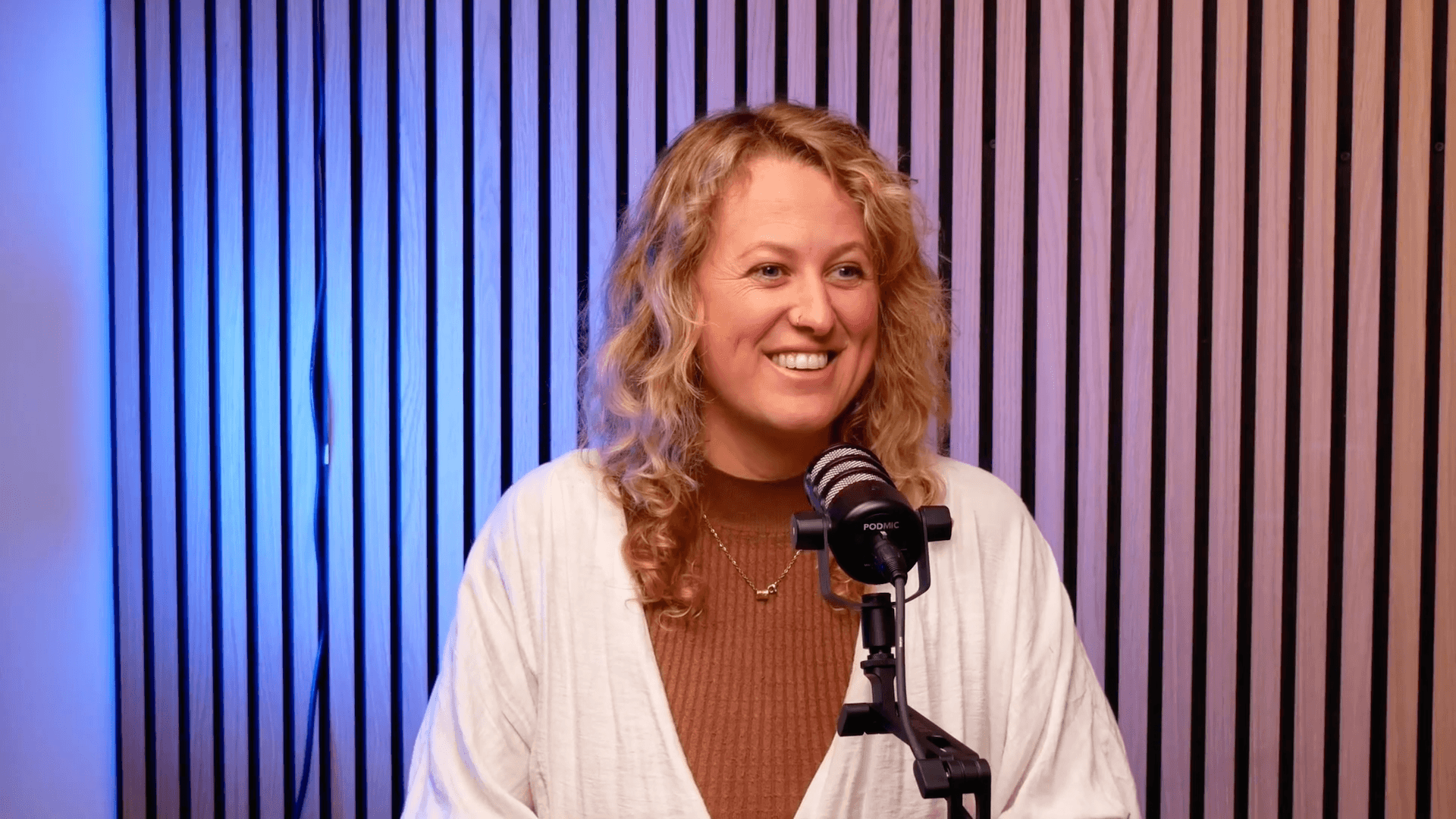
Chelsea Herbert
Listen on
Talking Points
- 00:00 – Opening Reflection on Grief & Softening: Chelsea reflects on grief, exhaustion, and the profound transformation that can occur when we stop resisting difficult emotional states. Rather than hiding grief away, she explores how allowing ourselves to be seen in tenderness can deepen connection and vitality.
- 01:23 – Introduction to Chelsea Herbert: Chelsea Herbert is introduced as a somatic psychotherapist whose work bridges integrative psychotherapy, body-based therapies, voice work, deep ecology, and Eastern philosophy.
- 01:42 – Chelsea’s Path Into Therapy: Chelsea shares how she knew from a young age that she wanted to become a psychologist. She reflects on childhood sensitivity, emotional curiosity, family dynamics, and a life-changing Family Constellation intensive she attended at 17 during her sister’s chronic illness journey.
- 05:00 – What Is Somatic & Experiential Therapy?: Chelsea explains how her work evolved beyond traditional psychology into experiential, body-based psychotherapy. She describes guiding clients into the felt sense, helping subconscious material emerge in real time through deep embodied awareness.
- 06:31 – Working With Sensitive & Creative People: Chelsea discusses her passion for supporting highly sensitive people and creatives. She explores how therapy can help clients move through protective patterns and reconnect with their authentic expression, purpose, and relationships.
- 08:52 – Ease, Joy & Emotional Expansion: A conversation about how defensive parts not only suppress pain, but also mute joy, vitality, and ease. Chelsea reflects on grief work and how allowing difficult emotions can expand our capacity for aliveness.
- 10:00 – What Is Internal Tracking?: Chelsea introduces Internal Tracking, a modality that combines somatic work, parts work, earth-based psychology, animism, and deep subconscious exploration. She explains how clients learn to track their inner world through sensation, intuition, imagery, and awareness.
- 11:30 – The Accident That Changed Everything: Chelsea shares the story of falling 10 metres down a mountain and fracturing her spine, foot, and knee. She reflects on the complete collapse of identity that followed and how Internal Tracking supported her through profound grief, surrender, and transformation.
- 15:00 – Learning to Receive Support: Chelsea speaks about the healing power of allowing others to help during times of trauma and crisis. She reflects on the importance of surrender, relational support, and moving beyond hyper-independence.
- 16:20 – How Internal Tracking Sessions Work: An overview of the Internal Tracking process, including grounding, resourcing, meditative guidance, tracking contractions in the body, meeting protective parts, and helping suppressed emotions emerge safely.
- 20:00 – Protective Parts & The Wisdom of the Body: Chelsea explains how protective parts are often misunderstood. Rather than being obstacles, they carry intelligent and caring intentions that can soften when deeply understood through embodied awareness.
- 23:44 – Therapy as Self-Trust, Not Dependency: A discussion about helping clients develop the capacity to track and regulate their own inner world between sessions, building trust in themselves rather than dependence on therapy.
- 25:38 – Grief, Softening & Negative Capability: Chelsea reflects on her ongoing relationship with grief after her accident and the transformation that becomes possible when we soften toward emotions we normally resist.
- 31:25 – Voice Work, Creativity & Expression: Chelsea shares how years of exploratory voice work became an important part of her therapeutic approach. She discusses voice, sound, and creative expression as pathways to healing, emotional movement, and authenticity.
- 38:24 – Wilderness Therapy & Vision Quest: Chelsea explains her background in wilderness work and Vision Quest traditions. She reflects on spending time alone in nature as a form of initiation, healing, and reconnecting with deeper aspects of self.
- 40:46 – Outdoor Therapy & Nature as Co-Therapist: Chelsea discusses offering outdoor therapy sessions in nature and how the natural world can support emotional regulation, symbolic insight, and a deeper sense of belonging.
- 43:00 – Closing: Laura closes the episode by inviting listeners to subscribe and download the Source app to find a therapist who truly fits.
Transcript
- 00:00 – Opening Reflection on Grief
Chelsea: You know, like having gone through an experience where I am not okay for a lot of the time, and I am not resourced, and I’m not vital, and I’m exhausted and endlessly grieving — it really did feel endless.
What’s been profound is discovering that I can soften even to the layer that feels impossible to soften to. Like: how can this be okay?
And then something unfolds. It’s like all the fruits come through what another teacher calls “negative capability” — this understanding that grief can be deeply transformative when we allow ourselves to fully feel it.
That might mean showing up in the world raw and tender, not hiding away or putting on a mask. It can actually bring us more deeply into connection.
- 01:23 – Introduction
Laura: Chelsea Herbert is a somatic psychotherapist who bridges integrative and body-based therapies to help clients reconnect with themselves deeply.
Chelsea also draws inspiration from voice work, deep ecology, and Eastern philosophy, bringing together a holistic view of what it means to live with vitality, purpose, and belonging.
- 01:42 – Chelsea’s Path Into Therapy
Laura: I’m always curious about what brings people to therapy. How did you end up here?
Chelsea: Mine was quite unique because it felt like a really young calling. I think I was eight or nine years old when I remember saying to my sister, “When I grow up, I want to be a psychologist.”
I think it came from a deep curiosity about people’s inner emotional worlds and their complexity. I was always fascinated by people’s experiences.
Then when I was 17, my sister was going through chronic illness and chronic pain, and the only thing that helped her was a Family Constellation intensive. So I attended it thinking I was helping my sister — but it completely changed my life.
It shattered all these identities and fantasies I had about myself and made me deeply curious about who I really was beneath all of that.
That experience led me into psychology, travel, research, and eventually psychotherapy.
- 05:00 – Somatic & Experiential Therapy
Chelsea: My work has evolved a lot over the years. It’s now very experiential and deeply rooted in the felt sense.
I guide people into their subconscious in a way where what’s happening feels very alive and real in the present moment. The process becomes embodied rather than purely intellectual.
People often become surprised by what emerges. It can become very imaginal and creative — almost dreamlike.
My role is to guide the process, helping people stay regulated while supporting whatever wants to unfold.
- 06:31 – Supporting Sensitive & Creative People
Chelsea: I often feel my work is especially for sensitive creatives — people who feel deeply and who carry a lot internally.
I believe that when people tend carefully to their sensitivity, it can open incredible creativity and expression.
What I often witness is people unraveling layers of resistance and protective patterns that create suffering. Over time they move toward more ease, groundedness, authenticity, and intimacy.
There’s often more joy too — more permission to be expressive and to listen to their own calling.
- 08:52 – Ease, Joy & Grief
Laura: When you first mentioned the word “ease,” I could feel it wash over my body.
Chelsea:
It’s actually confronting to realise how difficult it can be for people to let themselves feel good.
The parts of us that protect us from painful emotions also mute our capacity for joy and aliveness.
Through grief work and emotional softening, our whole emotional range expands.
- 10:00 – What Is Internal Tracking?
Chelsea: Internal Tracking is a modality that brings together deep somatic work, parts work, earth-based psychology, and subconscious exploration.
It’s really about helping somebody build the skill of tracking their own internal world.
Through sensation, imagery, emotion, imagination, and awareness, people begin to understand themselves in a very embodied way.
Protective parts soften. Vulnerable parts become accessible. Resourceful parts become amplified.
- 11:30 – The Accident & Identity Collapse
Chelsea: Four and a half years ago I fell ten metres down a mountain and fractured my spine, foot, and knee.
It completely shattered every identity structure I had.
I felt like I was falling into a void where every pillar of identity collapsed.
For months I was horizontal and dependent on others. It was deeply confronting.
Internal Tracking helped me soften my grasping around identity and reconnect with something deeper — essence, soul, self.
- 15:00 – Learning to Receive Support
Chelsea: One of the most profound things I learned was how important it is to receive help.
The independent parts of us often resist support, but surrendering into care can be incredibly healing.
I met other people who had gone through major trauma who became isolated through those experiences, and I could feel how differently my own experience unfolded because I allowed myself to be held.
- 16:20 – How Internal Tracking Sessions Work
Chelsea: Sessions often begin with orienting to what the client is bringing.
Then I guide people into a meditative state where we begin with resourcing — helping them feel grounded, supported, and safe.
Once someone feels anchored, we gently begin tracking places of contraction, tension, pain, or emotional holding in the body.
The process unfolds through curiosity rather than force.
Often emotions that were suppressed begin to emerge naturally.
- 20:00 – Protective Parts & Embodied Awareness
Chelsea: Protective parts often carry such goodness and good intention.
When people begin to truly feel those parts through the body, they realise those parts are trying to protect them in the best way they know how.
The awareness itself becomes healing.
- 23:44 – Therapy as Self-Trust
Chelsea: I want clients to leave therapy feeling more equipped to tend to themselves.
Internal Tracking helps people build trust in their own capacity to feel, regulate, and respond to what’s happening internally.
Sometimes emotions we suppress for days only need thirty seconds of true feeling before they move.
- 25:38 – Grief, Softening & Transformation
Chelsea: One of the most profound experiences for me has been learning to soften toward grief itself.
There’s this moment where instead of resisting grief, you soften toward the part that doesn’t want you to grieve.
Then everything changes.
Grief can actually deepen connection rather than isolate us.
- 31:25 – Voice Work & Creativity
Chelsea: I’ve spent over a decade exploring voice work and sound through a school called Music as a School of Life.
Voice has become an incredible ally in my therapeutic work.
It helps move emotion, unlock expression, regulate energy, and reconnect people with power and creativity.
I deeply believe everyone has innate musicality and healing potential in their voice.
- 38:24 – Vision Quest & Wilderness Work
Chelsea: A Vision Quest traditionally involves spending four days and four nights alone in nature without food, held within a supportive ceremonial structure.
The experience becomes deeply symbolic and transformative.
Nature begins reflecting your inner process back to you.
It teaches people how to listen deeply to themselves and to life.
- 40:46 – Outdoor Therapy & Nature Connection
Chelsea: I also offer outdoor therapy sessions in a private nature location.
For some people, being outside changes everything.
The natural world becomes part of the therapeutic process.
It helps people reconnect with the reality that we are part of something larger than ourselves.
- 43:00 – Closing
Laura: If this conversation resonated with you, hit subscribe and click the link below to download the Source app. It’s free to get started and helps you find a therapist who truly fits — faster.
Resources
No resources available.
Contact the therapist
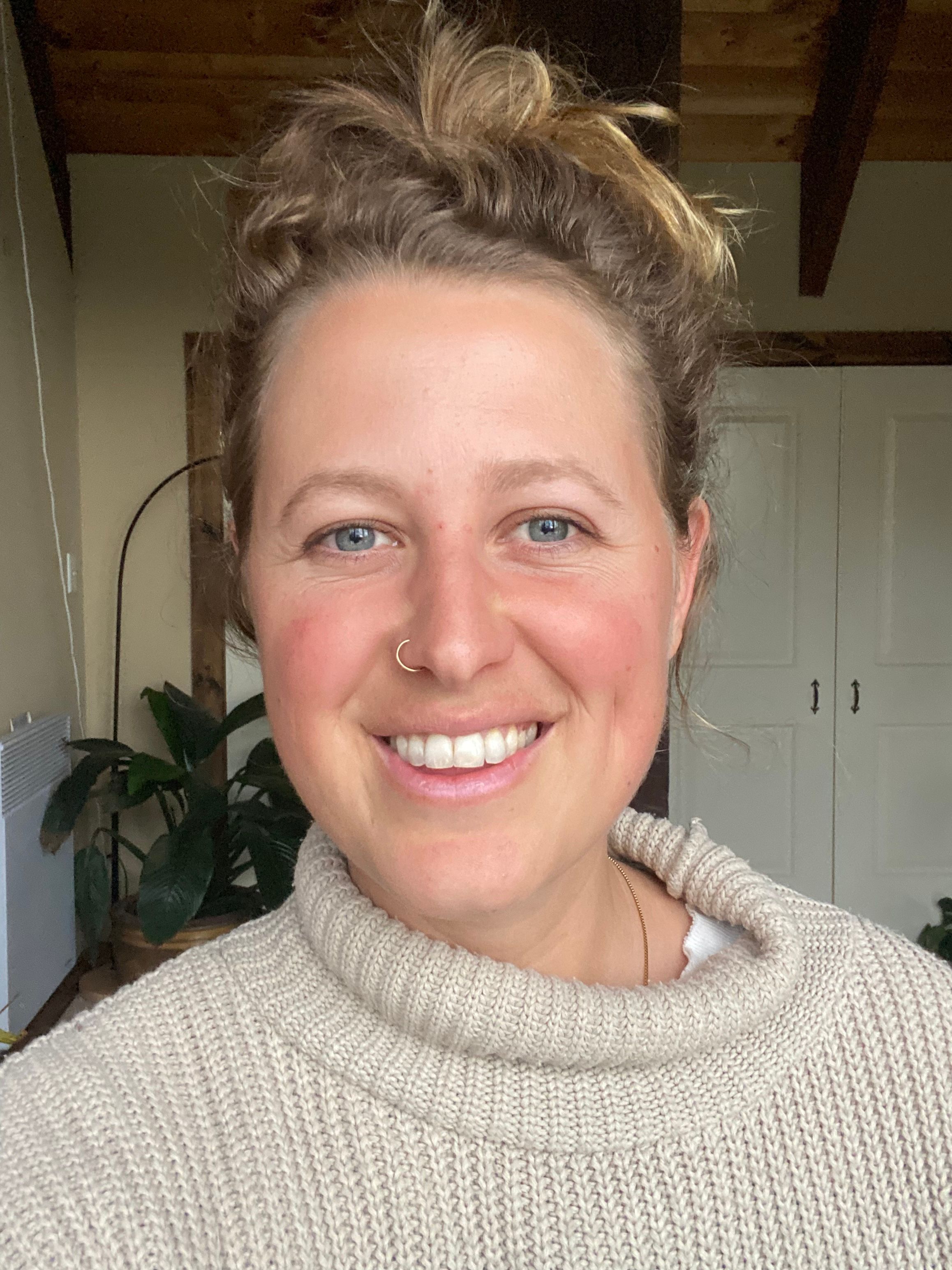
Chelsea Herbert