

Relational Therapy & Attachment Repair
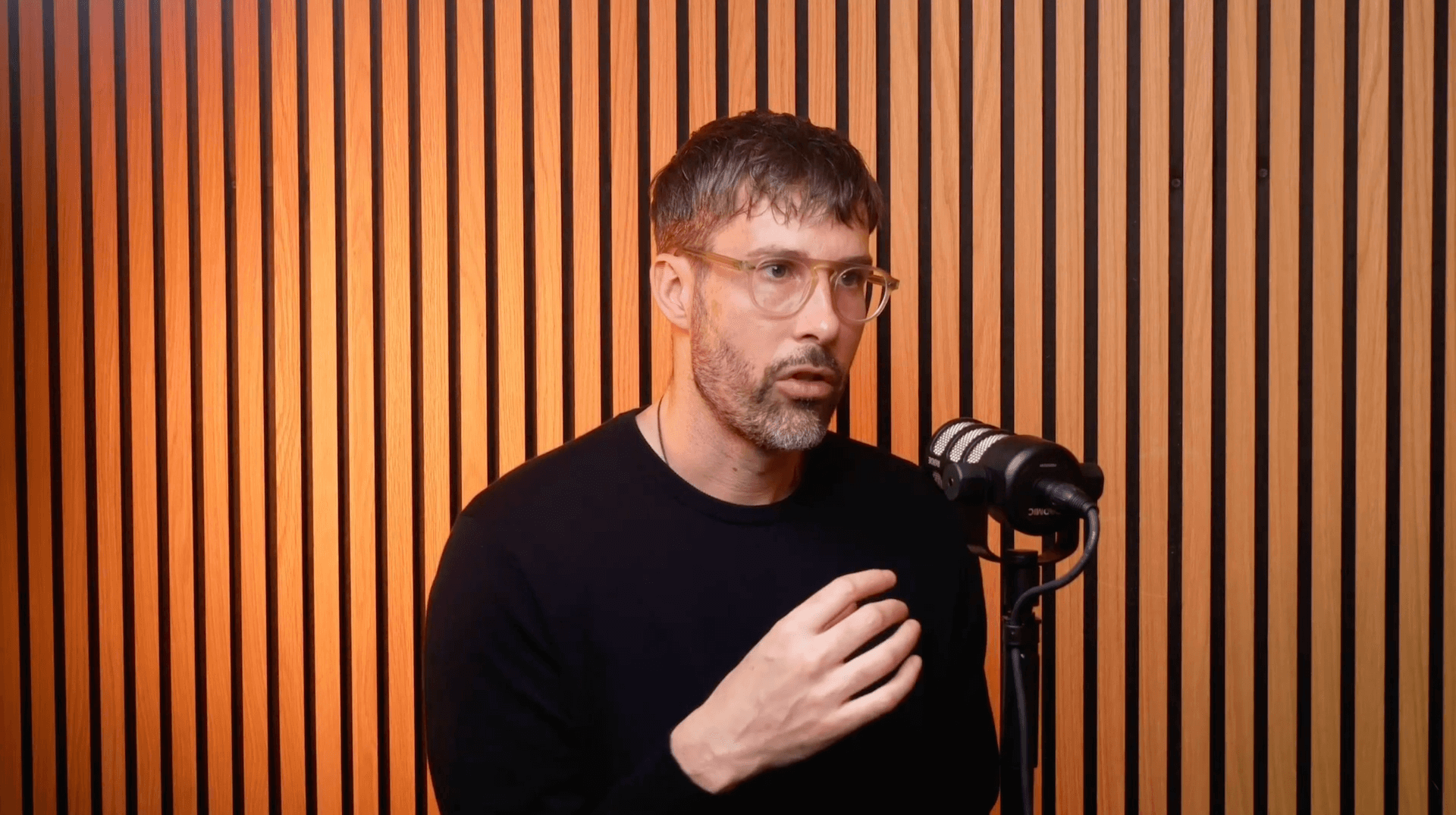
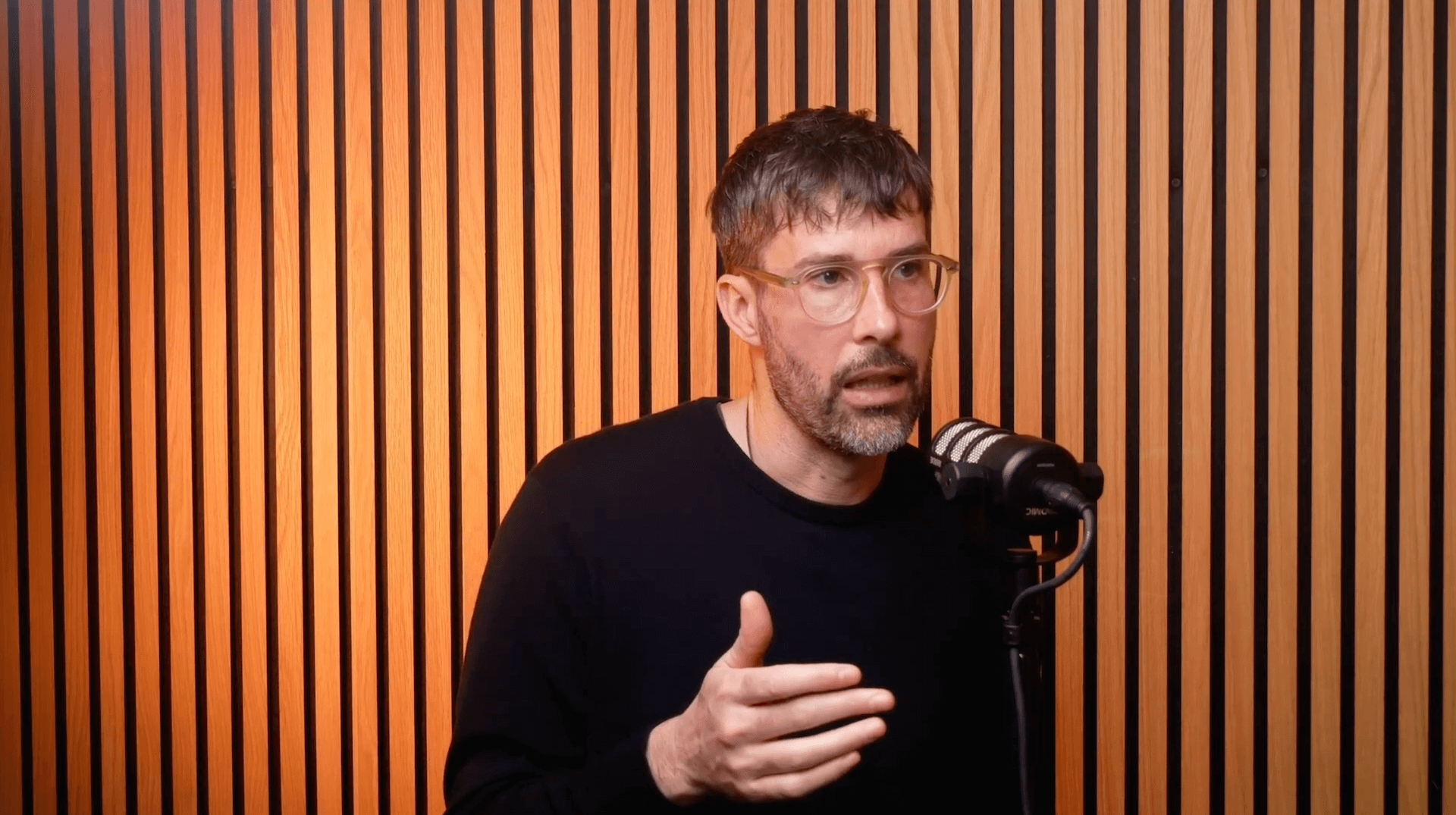
- Podcast Guest: Luke O’Higgins
- Podcast Host: Laura Duggan
In this episode of The Right Therapist, Laura is joined by relational psychotherapist Luke O’Higgins for a deep exploration of attachment, relational therapy, and how new emotional experiences create real change. Together, they unpack why so many people find themselves repeating the same relationship patterns — and how therapy can help uncover the unmet needs beneath them.
Luke explains that recurring conflicts and familiar dynamics aren’t random or self-sabotaging. They are often creative attempts to meet core relational needs such as safety, respect, and being truly seen. Therapy, he suggests, is less about analysing the past and more about identifying the needed relational experience that was missing — and allowing that experience to be felt in the present.
Drawing from Gestalt therapy, somatic approaches, and Internal Family Systems (IFS), Luke describes an integrative way of working that attends to thoughts, emotions, and the body. He emphasises that therapy is inherently relational, and that meaningful change happens through presence, attunement, and what unfolds between therapist and client in real time. Patterns don’t just get talked about — they show up in the room, where they can be explored safely and repaired when ruptures occur.
A key theme of the conversation is the importance of therapists doing their own inner work. Luke shares that reflective capacity — the ability to notice what’s happening internally while staying present with a client — is one of the strongest predictors of therapy effectiveness. Without this awareness, therapists risk unconsciously bringing their own attachment histories into the work.
The episode also explores attachment repair through imagination and parts work. Luke describes how guided imagery can help clients internalise experiences of soothing, protection, and consistency, building new internal working models that feel real in the body, not just understood intellectually. Rather than pathologising coping strategies like anger or people-pleasing, Luke reframes them as creative adjustments that once served an important purpose.
Luke shares personal reflections on his own therapy journey, including how learning to express and integrate anger transformed a key family relationship and ultimately led him into Gestalt training. The conversation closes with a live experiential demonstration, highlighting how even moments of “not knowing what to talk about” can become powerful entry points for awareness, rest, and integration.
This episode offers a grounded, compassionate look at how healing happens through relationship — in therapy, in community, and in everyday moments of connection.
Luke O'Higgins
Listen on
Talking Points
Acknowledgement & introduction
- 00:00 — Repeated relational patterns: why the same conflicts and dynamics can keep returning — and how therapy helps identify the need underneath.
- 00:50 — Introducing Luke: a relational, integrative psychotherapist drawing from Gestalt, somatic approaches, and parts work (IFS), grounded in presence and attunement.
- 01:05 — Acknowledgement of Country.
Luke’s work & why therapists do their own therapy
- 01:38 — Luke’s training and orientation: meeting people where they are through both “top-down” (cognitive) and “bottom-up” (somatic) pathways.
- 03:14 — Why therapists doing their own work matters: reflective capacity, attunement, and staying present in the room.
- 03:45 — The “common factors”: the therapeutic relationship as the foundation of effective therapy — and why self-reflection is a core skill.
- 05:35 — Bracketing the therapist’s own material: noticing what’s evoked, returning to presence, and keeping the client centred.
Integrative therapy: top-down, bottom-up, and what unites the models
- 07:21 — Integrative work in practice: flexibility across modalities so therapy fits the client (not the other way around).
- 08:10 — Tracking language, tone, and micro-shifts: why “what’s said first” and howit’s said can reveal the deeper themes.
- 09:05 — Attachment as a through-line: right-brain-to-right-brain attunement and the nervous system’s role in connection.
Parts work, IFS & imagination
- 10:02 — Parts work as a shared language: “a part of me…” as a natural way clients already describe inner experience.
- 10:38 — IFS as practical (and sometimes spiritual): how naming parts creates clarity, safety, and internal organisation.
- 11:54 — Visualising parts: why imagery can surface deeper information and support emotional processing.
Attachment repair & creating new experiences
- 12:07 — Attachment repair through guided imagery: ideal parent figures and creating an internal experience of being met.
- 13:19 — The “client as expert”: therapy as co-creation — using the client’s own images, sensations, and meanings.
- 13:57 — Therapy as expanding what’s possible: not just understanding the past, but building a new internal working model.
Repeated vs needed relational experiences
- 14:23 — The core idea: how repeated patterns show up in relationships — and how therapy helps locate the unmet need beneath them.
- 16:27 — “Why do I keep choosing this?”: recognising themes across partners and relational feedback.
- 17:12 — Relational therapy in action: patterns will show up between therapist and client — and that becomes the work.
- 18:02 — Naming what happens between us: “Is this familiar?” as a pathway to insight, mentalising, and new choice.
Rupture, repair & the therapist’s stance
- 20:32 — When clients feel angry or want to leave: rupture as a key therapeutic moment (and why therapist reactivity can derail it).
- 21:30 — Contracting for repair: how clients can signal “you got it wrong” — and why it matters that the therapist can stay present.
- 22:10 — Challenge + care: attunement isn’t just being nice — it includes healthy challenge and honesty.
Attachment injuries, survival strategies & “creative adjustments”
- 23:49 — What counts as an attachment injury: a spectrum from misattunement to abuse — and why “perfect parenting” isn’t required.
- 25:56 — Understanding caregivers’ state of mind: stress, support, and context shape availability and responsiveness.
- 27:18 — How children adapt: attention-seeking, anger, humour, toughness — strategies that once secured care.
- 27:29 — “Creative adjustment” vs “defence”: honouring what kept you safe at the time.
- 28:50 — Why therapy is often needed later: the old strategy worked then — but now it constricts intimacy, safety, or connection.
Processing anger, integration & changing how we carry trauma
- 29:30 — Luke’s example: anger, distance, and working toward a healthier relationship through expression and understanding.
- 31:17 — Not just forgiveness: giving anger respect as a signal that something mattered and something wasn’t right.
- 33:15 — Integration: knowing your inner world, soothing internally, and building reflective capacity over time.
- 34:11 — Awareness creates choice: without it, patterns repeat; with it, flexibility increases.
Healing through relationship & community
- 35:25 — Repair through intimate relationships (and therapy): how secure relating becomes internalised.
- 36:26 — The myth of the individual: why isolation worsens mental health, and why relational healing matters.
- 38:58 — Mentorship for young people: receiving parental qualities outside the family system and its protective impact.
Group work, shame reduction & universality
- 41:20 — Why Luke is drawn to group therapy: the energy, the relational learning, and the corrective experience.
- 42:59 — Group as “de-shaming”: being witnessed by many eyes — and realising you’re not alone in your pain.
- 44:46 — The power of small relational contact: neighbour interactions and everyday connection shifting nervous system state.
Experiments, behaviour change & “growing edges”
- 47:53 — Graded experiments: choosing steps that are small enough to be doable, but real enough to create change.
- 48:16 — What gets in the way of connection: beliefs about safety, trust, and attachment themes that block closeness.
- 49:50 — Amplifying positive affect: strengthening the “glimmer” and building capacity for hope and forward movement.
Self–other–situation: systems thinking in therapy
- 50:29 — The model: self, other, and situation/environment — and how clients exist within nested systems.
- 51:45 — Why change can “shake the system”: growth can create friction in families and relationships.
- 53:48 — Therapy as destabilising (in a good way): pacing change to match the client’s capacity and avoid overwhelm.
Mini-session (experiential demonstration)
- 57:48 — Laura “doesn’t know what to talk about”: allowing space and seeing what emerges.
- 59:25 — Tracking the body: chest dropping, tiredness, hunger — listening to sensation as information.
- 1:01:12 — Parts emerge: the “keep going” part vs the “I need rest” part — and what each one believes.
- 1:05:35 — The gap between pushing and numbing: exploring what nourishing rest could look like.
- 1:08:03 — “Natural” as a cue: gentle movement, walking, grace — rest that feels replenishing rather than indulgent.
- 1:09:46 — Closing with breath: alignment across parts, settling into centred presence.
Closing & CTA
- 1:12:32 — Why “nothing to bring” can be powerful: safety, frame-setting, and what emerges when the nervous system softens.
- 1:14:10 — The power of holding time: clear containment supports deeper work and safer endings.
- 1:15:54 — Subscribe and download the Source app to find a therapist who truly fits — faster.
Transcript
- 00:00 – Repeated Patterns & Relational Themes
Luke: If you think about repeated relational patterns — the same conflicts, the same dynamics showing up again and again — it can feel like you’re somehow attracting these situations.
In therapy, we explore what’s underneath those patterns.
What’s the need behind them?
Is it to feel heard?
Respected?
Met in a way that feels safe and challenging?
We’re looking for the needed relational experience — not the repeated one.
- 00:50 – Introduction
Laura: Today I’m joined by Luke O’Higgins. Luke’s work is deeply relational, integrative, and grounded in attachment-informed practice.
He draws from Gestalt therapy, somatic therapy, and Internal Family Systems (IFS).
What unites his work is presence, attunement, and working with what’s alive in the moment.
You’re listening to The Right Therapist, where we demystify therapy.
We acknowledge the Traditional Custodians of the land and pay respects to Elders past and present, extending respect to Aboriginal and Torres Strait Islander peoples listening today.
- 01:38 – Luke’s Background & Training
Luke: I work mainly with adults and some young people.
My training is in Gestalt therapy and integrative psychotherapy.
What connects all of it is a relational, human-centred approach.
We work top-down (thoughts, beliefs) and bottom-up (the body, nervous system).
It’s about meeting people where they are.
Being a therapist means ongoing personal growth —
understanding your own patterns, triggers, and attachment history
so you don’t bring them unconsciously into the room.
- 03:14 – Why Therapists Must Do Their Own Work
Laura: What’s the benefit of therapists doing their own therapy?
Luke: Reflective capacity is key — the ability to notice what’s happening inside yourself while staying curious about the client.
Research shows this accounts for up to 70% of therapy effectiveness.
Clients evoke things in us.
If we don’t understand our own internal world, we can’t stay present.
This is why Gestalt training requires years of personal therapy —
which isn’t standard in psychology training, surprisingly.
- 05:35 – Attachment & Presence
Laura: How can we be present if we’re carrying unresolved stuff?
Luke: We’re human — we all have stuff.
The work is about bracketing it:
• noticing what’s mine
• what’s the client’s
• how attachment patterns get activated
This awareness allows real attunement.
- 07:21 – Integrative & Somatic Work
Luke: Some people respond more to cognitive work. Others to somatic work.
We model flexibility:
• body awareness
• emotional tracking
• thought patterns
All roads lead back to attachment.
- 10:02 – Parts Work & Internal Family Systems (IFS)
Laura: IFS really changed things for me.
Luke: We already speak this way:
“There’s a part of me that wants…”
“There’s another part that feels…”
IFS makes this explicit.
It sounds spiritual — but it’s practical.
The imagery is powerful.
Clients access incredible insight with eyes closed.
- 12:07 – Attachment Repair & Imagination
Luke: I also work with attachment repair using guided imagery.
Clients create ideal parental figures: soothing, protective, consistent, curious.
This builds a new internal working model.
The mind is incredibly creative.
Clients describe: light, tone, facial expression, texture.
It becomes a felt experience — not just a thought.
- 13:57 – The Client as Expert
Luke: The client is the expert on their experience.
My role is to help them:
• make sense of it
• connect the dots
• move toward change
- 14:23 – Repeated vs Needed Experiences
Luke: We often repeat what we don’t want.
Same partners. Same conflicts.
Therapy asks: “What’s the need underneath this pattern?”
- 17:12 – Relational Therapy in Action
Luke: Patterns show up between therapist and client.
We can say: “I wonder what’s happening between us right now.”
That becomes the work.
This creates:
• awareness
• choice
• flexibility
- 20:32 – Rupture & Repair
Luke: Therapists get it wrong sometimes.
What matters is repair:
• naming it
• checking impact
• staying present
This models:
• accountability
• safety
• secure attachment
- 23:49 – Attachment Injuries
Luke: Attachment injuries are misattunements — from mild neglect to abuse.
No parent is perfect. “Good enough” attunement is only about 30% of the time.
But early experiences shape:
• how we seek care
• how we express need
• how we protect ourselves
- 27:18 – Creative Adjustments
Luke: Children adapt brilliantly.
Anger. People-pleasing. Toughness.
These were creative adjustments — not pathology.
They helped us survive.
But later… they get in the way.
- 29:30 – Luke’s Personal Therapy
Luke: I entered therapy in my late 20s.
I carried a lot of anger toward a family member.
Therapy helped me:
• express it
• understand it
• integrate it
Now we have a healthy relationship.
That experience led me to study Gestalt.
- 31:55 – Integration vs Forgiveness
Luke: It’s not just forgiveness.
It’s:
• giving anger a voice
• respecting it
• understanding what changed you
• learning how to care for those parts
- 33:51 – Changing How We Carry Trauma
Laura: We can’t change what happened — but we can change how we carry it.
Luke: Exactly. That’s therapy.
- 35:25 – Healing Through Relationship
Luke: We heal through:
• therapy
• partners
• friendships
• community
We’re relational beings. Isolation isn’t healthy.
- 36:49 – Clients Luke Works With
Luke:
I work with:
• addiction recovery
• grief
• trauma
• sexual assault survivors
• young men
Mentorship matters.
Young people need:
• safe adults
• role models
• respect
- 40:37 – The Privilege of This Work
Luke: You walk alongside people:
• relationships forming
• babies born
• lives changing
It’s humbling.
- 41:20 – Group Therapy
Luke: Group work is powerful:
• universality
• de-shaming
• connection
Sharing vulnerability with a group is transformational.
- 44:46 – Community & Modern Isolation
Luke: Even small interactions matter: saying hi to a neighbour, feeling seen
Our nervous systems need connection.
- 47:53 – Experiments & Growth
Luke: We use graded experiments: not too big, not too small.
“What’s your growing edge?”
- 50:29 – Self, Other & Situation
Luke: We exist in systems:
• self
• other
• environment
Change in one part affects the whole system.
Therapy can shake things up — so we move gently.
- 54:49 – Changing Family Systems
Laura: My therapy changed my whole family.
Luke: Sometimes growth creates:
• closeness
• sometimes distance
We may need to create:
• chosen family
• aligned relationships
- 55:28 – Attachment as Foundation
Luke: Healthy attachment includes:
• consistency
• curiosity
• delight
• boundaries
• protection
These are adult relational skills too.
- 57:48 – Live Therapy Demonstration
Laura participates in a short experiential session exploring:
• tiredness
• pushing through
• need for rest
• parts work
• embodied awareness
Luke guides:
• breath
• slowing down
• curiosity
• integration
- 1:11:45 – Reflection
Laura: From “nothing” came something meaningful.
Luke: Sometimes the most powerful sessions start with: “I don’t know what to talk about.”
- 1:15:25 – Closing
Laura: If this conversation resonated with you, hit subscribe and click the link below to download the Source app.
It’s free and helps you find a therapist who truly fits — faster.
Resources
No resources available.
Contact the therapist
Luke O'Higgins