
Gestalt Therapy and the Paradox of Change
- Podcast Guest: Dr Rhys Price-Robertson
- Podcast Host: Laura Duggan
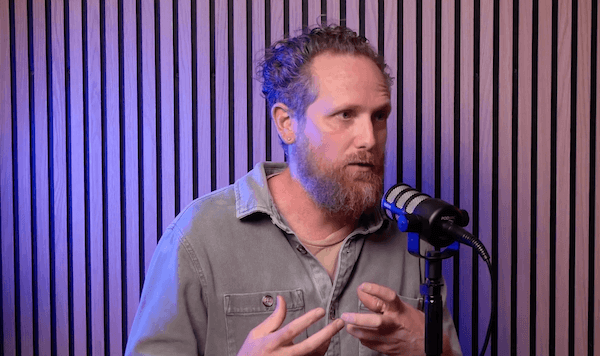
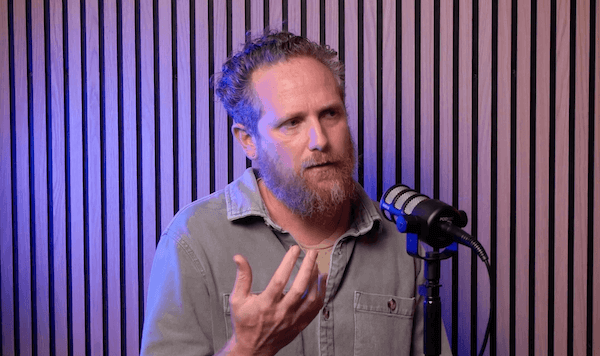
In this episode of The Right Therapist, Gestalt therapist Dr Rhys Price-Robertson explores the paradoxical theory of change and why real change in therapy often happens when we stop trying to fix ourselves. Drawing on Gestalt therapy, Zen philosophy, and decades of clinical experience, Rhys explains how awareness, embodiment, and non-doing support psychological growth and wholeness.
The conversation examines the difference between “growing up” and “waking up”, the cultural obsession with self-improvement, and how striving to change can reinforce shame, anxiety, and inner division. Rhys and Laura unpack concepts such as non-doing, staying with what is, cultivated uncertainty, and why therapy grounded in presence can be more transformative than strategies alone.
They also explore how anxiety loops form, how shame shows up in the fix-it mindset, and why Gestalt therapy prioritises attunement, embodiment, and figural awareness over interpretation. A live Gestalt therapy segment offers a rare glimpse into therapeutic work that emphasises sensing, noticing, and allowing experience to unfold without forcing change.
Listeners will come away with a deeper understanding of Gestalt therapy, mindfulness in psychotherapy, and how the paradox of change invites greater self-acceptance, integration, and authentic contact — not by becoming someone else, but by becoming more fully who we already are.
Rhys Price-Robertson
Listen on
Talking Points
- 00:00 – Introduction: What is the most effective way to change? Rhys introduces the paradoxical theory of change: that transformation occurs not through force or self-improvement, but through deep awareness and acceptance of what already is.
- 02:10 – Meet Dr Rhys Price Robertson: Rhys’ background in Gestalt therapy, Zen practice, cultural humility, and inclusivity. How his work creates space for aliveness, awareness, and relational depth.
- 05:45 – How Rhys Came to Therapy: From early experiences in psychodrama, to psychology training, to dissatisfaction with purely academic models — and ultimately finding Gestalt therapy through lived experience.
- 11:30 – Zen, Meditation & Gestalt Therapy: Where Zen and Gestalt intersect — and where they differ. “Growing up” vs “waking up” and why both are essential for meaningful self-healing.
- 18:40 – What Is the Paradoxical Theory of Change?: Change happens when we stop trying to change. Rhys explains Arnold Beisser’s foundational work and why dividing against ourselves creates tension rather than transformation.
- 25:30 – Non-Doing vs Doing Nothing: Clarifying a common misconception: non-doing is not passivity. It’s a relational, attuned stance that allows the organism’s self-healing capacity to emerge.
- 31:10 – Culture, Capitalism & the Self-Improvement Trap: How wellness culture reinforces shame, endless ascent, and the illusion that something is “wrong” with us.
- 38:50 – Therapist as Change Agent?: Why Gestalt therapists resist the role of fixer — and how rejecting the change-agent role paradoxically creates the conditions for real change.
- 46:15 – Strategy, Will & Aikido-Style Therapy: Meeting clients where they are — even in their desire for strategies — and gently widening the frame toward awareness and non-doing.
- 55:20 – Anxiety, Avoidance & Nervous System Loops: A lived example of how staying with anxiety shifts regulation more effectively than trying to suppress or escape it.
- 1:02:40 – Live Therapy Segment Begins: A real, unscripted Gestalt therapy segment exploring body awareness, shoulder tension, role-holding, parts work, and figural process.
- 1:25:30 – Parts Work & Shoulder Energy: Emergence of distinct parts: competence, fatigue, pride, tension, and collapse — without interpretation or agenda.
- 1:40:10 – Cultivated Uncertainty: Why therapists must tolerate not knowing — and how attunement arises from presence, not technique.
- 1:48:20 – Zen, Uselessness & Ending the Pursuit of Happiness: Zen teachings on non-gain, self-energy, and why meditation and therapy are “useless” — and therefore transformative.
- 1:53:40 – Closing Reflection: Lao Tzu’s teaching on wholeness, crookedness, emptiness, and surrender.
Transcript
- 00:00 – Opening
Rhys: The question is, what’s the most effective way to make progress? I don’t think there’s one answer. Often, it’s staying and deepening into what is that allows change to happen. That’s what the paradoxical theory of change is pointing to.
We don’t change by trying to change ourselves — because then we’re divided against ourselves. That creates tension in the body, in the psyche, and that tension isn’t conducive to change.
When we feel into the division — how am I divided?what’s pulling in different directions? — that becomes the ground for change.
- 02:10 – Introduction of Guest
Laura: Today I’m speaking with Dr Rhys Price Robertson, a Gestalt therapist whose work is informed by years of clinical practice, Zen training, and a deep commitment to inclusivity and cultural humility…
- 05:45 – Rhys’ Path Into Therapy
Rhys: I had a really important relationship with a therapist when I was about 19. He practiced psychodrama and that experience planted something in me…
(continues through academic psychology, dissatisfaction, meditation retreats, exposure to spiritual bypassing, and discovery of Gestalt therapy at GTA)
- 11:30 – Zen & Gestalt
Rhys: I think Gestalt therapy and Zen fit together beautifully — but they’re not the same. Zen leans heavily into waking up. Therapy often focuses on growing up.
When either is done without the other, something’s missing.
- 18:40 – Paradoxical Theory of Change Explained
Rhys: Put simply: we change not by striving to be different, but by becoming more fully who we already are.
If you want to change, the most effective thing might be to stop trying to change.
- 25:30 – Non-Doing
Rhys: Non-doing isn’t doing nothing. It’s an orientation. I’m not here to move this person somewhere. I’m here to stay with them exactly where they are.
If they move, that’s fine — but I’m not pushing.
- 31:10 – Culture & Self-Improvement
Rhys: Our culture values ascent — growth, progress, productivity. But psyche is rooted in nature. Nature includes decay, stillness, regression.
When all we see is ascent, descent feels pathological.
- 38:50 – Shame & the Fix-It Trap
Rhys: When clients come in, often what they’re saying underneath is: I’m not okay. Help me fix myself.
If we agree with that framing, we collude with shame.
- 46:15 – Strategy & Aikido
Rhys: If someone comes in wanting strategies — great. Let’s work with that energy. That’s an aikido move.
But over time, we widen the frame: what if staying with this is also a strategy?
- 55:20 – Anxiety Example
Rhys: If I feel anxiety and add the belief that it must not be seen — that’s petrol on the fire.
Anxiety about anxiety creates the loop.
- 1:02:40 – Live Therapy Segment
(Real-time Gestalt therapy exploration: shoulder tension, role identity, parts work, embodiment, figural awareness. No interpretation. No fixing.)
- 1:40:10 – Cultivated Uncertainty
Rhys: Not knowing is essential. But it’s not empty — it’s informed not-knowing.
Attunement lives there.
- 1:48:20 – Zen & Uselessness
Rhys: Zazen is not a technique. Therapy is not a means to an end.
They’re useless — and that’s what makes them transformative.
- 1:53:40 – Closing Quote
Rhys: If you want to become whole, let yourself be partial… — Lao Tzu
- 1:55:00 – Call to Action
Laura: If this conversation resonated with you, hit subscribe and click the link below to download the Source app. It’s free to get started and helps you find a therapist who truly fits — faster.
Resources
No resources available.
Contact the therapist
Rhys Price-Robertson