

The Story and the Storyteller: How Narrative Therapy Shapes Identity
- Podcast Guest: Tessa Priest
- Podcast Host: Laura Duggan
In this episode of The Right Therapist, narrative therapist Tessa Priest explores how the stories we carry shape the way we see ourselves and move through the world. Tessa introduces the relationship between the story and the storyteller, and how narrative therapy helps people step outside limiting narratives to reconnect with preferred identities.
The conversation unpacks how dominant cultural messages, personal history, and unconscious patterns influence identity, often without our awareness. Tessa and Laura explore themes of creativity, curiosity, and play, alongside the role of the body in revealing deeper layers of experience that words alone can’t access.
They also discuss how therapy can move beyond insight into lived, embodied change — using small, manageable moments to safely explore emotion and meaning. A live therapy segment offers a powerful glimpse into how past experiences can be revisited with compassion, allowing new interpretations and integration.
Listeners will come away with a clearer understanding of narrative therapy, the power of re-authoring personal stories, and how developing awareness of both story and body can create greater freedom, choice, and authenticity in how we live.
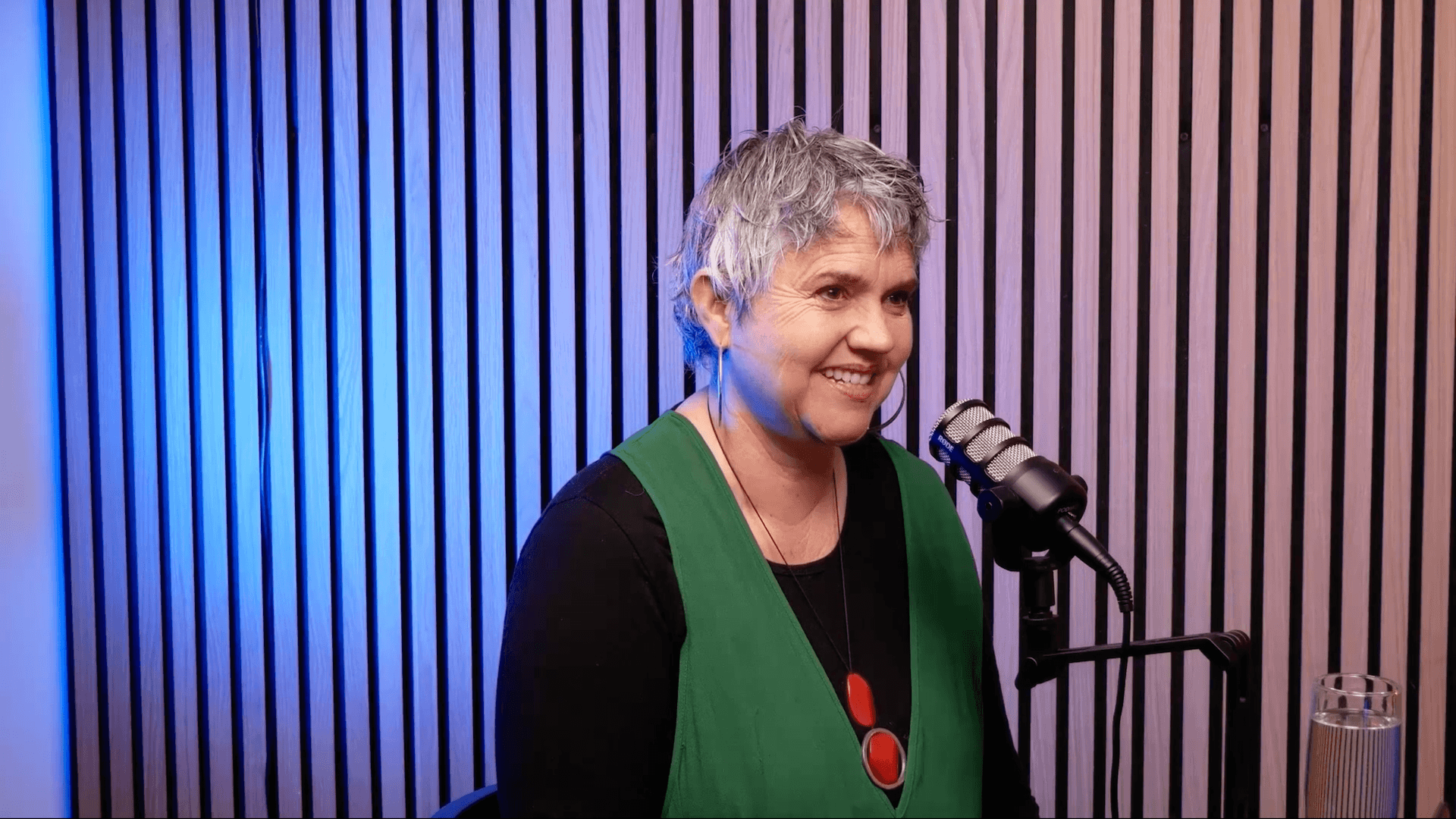
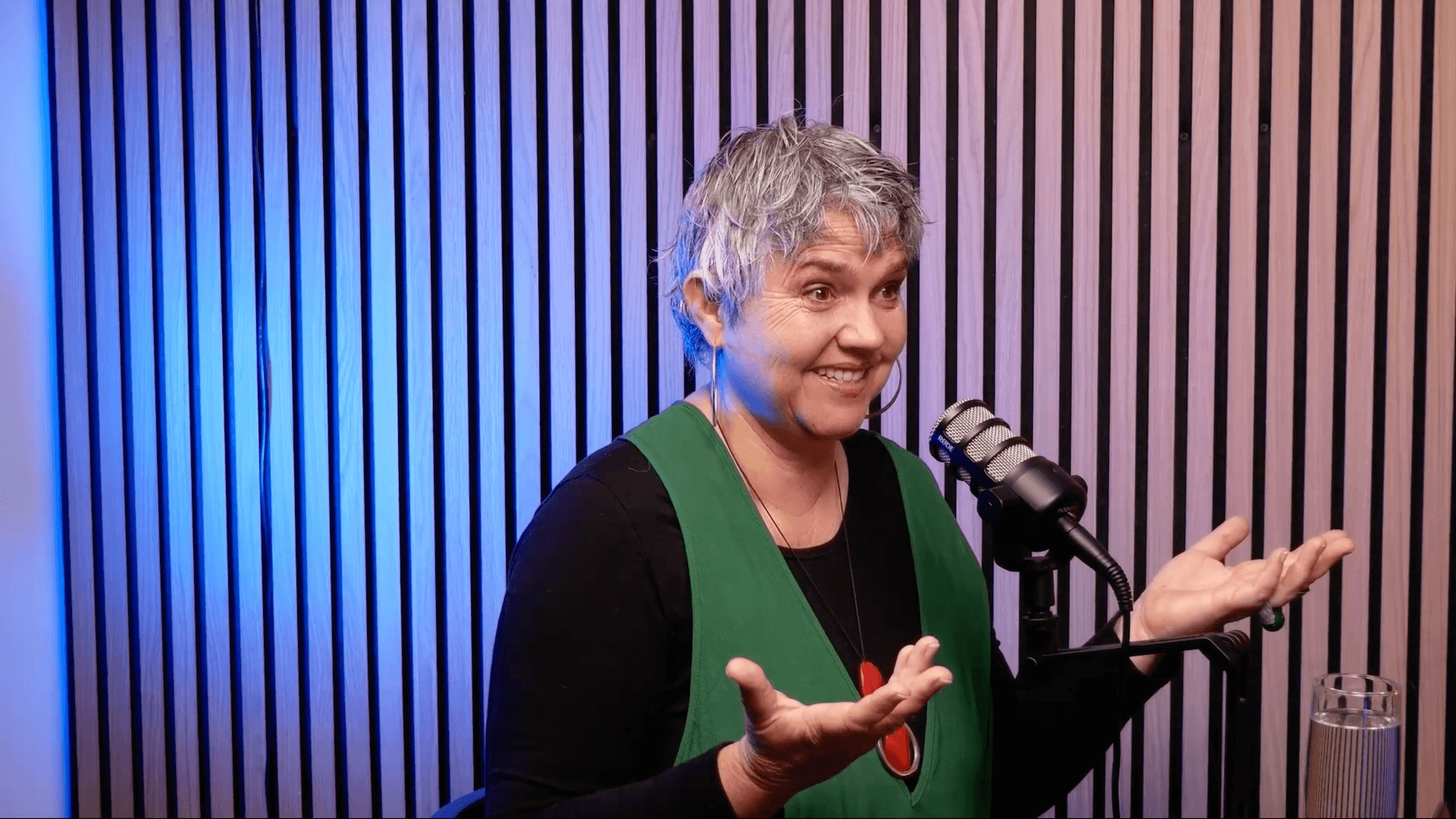
Tessa Priest
Listen on
Talking Points
- 00:00 — Slowing down and connecting to the body
How therapy works in small, manageable moments rather than overwhelm.
- 01:26 — Introduction to Tessa Priest
Narrative therapist integrating storytelling, expressive arts, and somatic work.
- 02:10 — Tessa’s background and journey into narrative therapy
From performing arts to therapy and meaning-making.
- 05:49 — When stories don’t support us
How dominant and inherited narratives shape identity.
- 06:07 — Deconstructing harmful narratives
Understanding societal, cultural, and personal influences on our story.
- 10:33 — The role of creativity and play
Why expression (drawing, writing, movement) is central to healing.
- 12:10 — Rewriting identity through lived experience
How small shifts create new possibilities.
- 15:48 — How stories evolve over time
The difference between past and present interpretations of the same event.
- 18:10 — Live therapy exploration begins
Somatic awareness, emotion, and memory emerge in real time.
- 21:28 — Compassion for the younger self
Rewriting internal narratives through care and understanding.
- 23:25 — The role of community and support
How relationships shape healing.
- 27:31 — Writing back to your younger self
A powerful narrative therapy technique.
- 31:07 — Trusting the body and therapy process
Why safety and presence matter.
- 33:22 — Multiple versions of the self
Understanding identity as layered and non-linear.
- 37:31 — Fear of revisiting the past
How therapy avoids overwhelm through “titration.”
- 40:46 — The importance of therapist-client fit
Why depth depends on relational safety.
- 43:41 — Therapy beyond the room
Collaborative and community-based healing approaches.
- 48:00 — Therapy in unconventional spaces
Nature, movement, and environment as part of healing.
- 50:52 — Story + body integration
Why slowing down deepens meaning.
- 53:27 — Future self perspective
How imagining your future self changes present decisions.
- 55:58 — Boundaries and “no”
The importance of limits in identity and healing.
- 57:47 — Life is not linear
Stories as loops, spirals, and evolving narratives.
- 59:09 — Embodied therapy vs cognitive insight
Why the body reveals more than the mind alone.
- 1:00:04 — Power, culture, and identity
How societal structures influence personal narratives.
- 1:05:01 — Consistency, identity, and purpose
Following what feels deeply aligned.
Transcript
- 00:00 — Opening
Tessa: What happens in therapy is often very simple — “How do you feel? What’s happening in your body right now?”
That idea of titration—it’s like drip, drip, drip. Little parts. Little moments.
We’re training ourselves to reconnect with our bodies—these incredible vessels that carry our lives.
If we can slow down into feeling, there’s so much information there.
- 01:26 — Introduction
Laura: Today I’m joined by Tessa Priest, a narrative therapist who explores the relationship between the story and the storyteller—the map and the map maker.
Tessa integrates narrative practice with expressive arts, mindfulness, and somatic psychotherapy.
You’re listening to The Right Therapist, where we demystify therapy.
- 02:10 — Tessa’s Work
Tessa: Narrative therapy came to me through the Dulwich Centre in Adelaide.
My background was in the performing arts—drama, poetry, storytelling—so story has always been central to my life.
Narrative therapy allowed me to bring those passions into therapeutic work.
We talk about helping people connect with their preferred identities—ways of being that feel more aligned, more true.
Later, I trained in Hakomi psychotherapy, which brought in the body.
So now my work sits between story and embodiment.
- 05:49 — When Stories Don’t Help Us
Laura: Many of us carry stories that don’t support us.
Tessa: Yes—and narrative therapy sees identity as multi-storied.
There are dominant cultural narratives—ideas about who we should be. These can be deeply limiting.
So we begin by deconstructing those stories:
- Gender
- Culture
- Economics
- Trauma
These aren’t just ideas—they become embodied.
- 10:33 — Creativity & Expression
Tessa: Creativity is essential.
Drawing, writing, movement, music—these are not extras. They are ways of accessing deeper meaning.
When we’re playful and curious, something new can emerge.
- 15:48 — Stories Change Over Time
Laura: The story I told at 23 is very different to the story I tell now.
Tessa: Exactly. The story doesn’t disappear—but the relationship to it changes.
- 18:10 — Live Therapy Moment
Laura begins to reconnect with a past experience of illness and emotional overwhelm.
Tessa guides:
- Noticing sensations (chest, jaw, eyes)
- Staying present while exploring memory
- Moving between past and present
- 21:28 — Compassion for the Younger Self
Laura: I feel compassion for her… she was so lost.
Tessa: What did she need to hear?
Laura: “That something important is happening… not just something bad.”
- 27:31 — Writing Back to Yourself
Tessa: If you could write a letter to her—what would you say?
Laura: You’re not alone.
This is hard—but it’s not all bad.
What comes from this… is actually better.
- 33:22 — Multiple Selves
Tessa: We’re not linear.
We’re layered:
- Younger self
- Present self
- Future self
All of them exist now.
- 37:31 — Fear of Going Back
Laura: People are scared to revisit the past—they worry they’ll get stuck.
Tessa: That’s where titration comes in.
Small pieces.
Staying connected to the present.
Always with support.
- 40:46 — Therapist Fit
Laura: Depth only happens when the therapist can hold it.
Tessa: Yes—therapy is relational.
It’s about safety, presence, trust.
- 48:00 — Therapy Beyond the Room
Tessa: Therapy doesn’t have to be in a room.
It can be:
- Nature
- Movement
- Creative spaces
Healing is not confined.
- 50:52 — Body + Story
Tessa: The body holds the story.
But the story also shapes the body.
Slowing down allows both to speak.
- 53:27 — Future Self Perspective
Laura: I think about what my future self would say to me now.
Tessa: That’s powerful.
It brings us back to:
What do we say yes to?
What do we say no to?
- 57:47 — Not Linear
Tessa: Life isn’t a straight line.
It’s a spiral. A loop. A dance.
- 1:00:04 — Power & Culture
Tessa: We must also look at power:
- Who gets to tell the story?
- Who is silenced?
Narrative therapy brings awareness to this.
- 1:05:01 — Alignment
Laura: Some things I quit easily—but this work, I can’t.
Tessa: That’s alignment.
That’s the story you’re choosing.
- Closing Reflection
This conversation reminds us that healing isn’t about erasing the past—it’s about changing our relationship to it.
Through story, body, and connection, we can begin to author a life that feels more like our own.
Resources
No resources available.
Contact the therapist
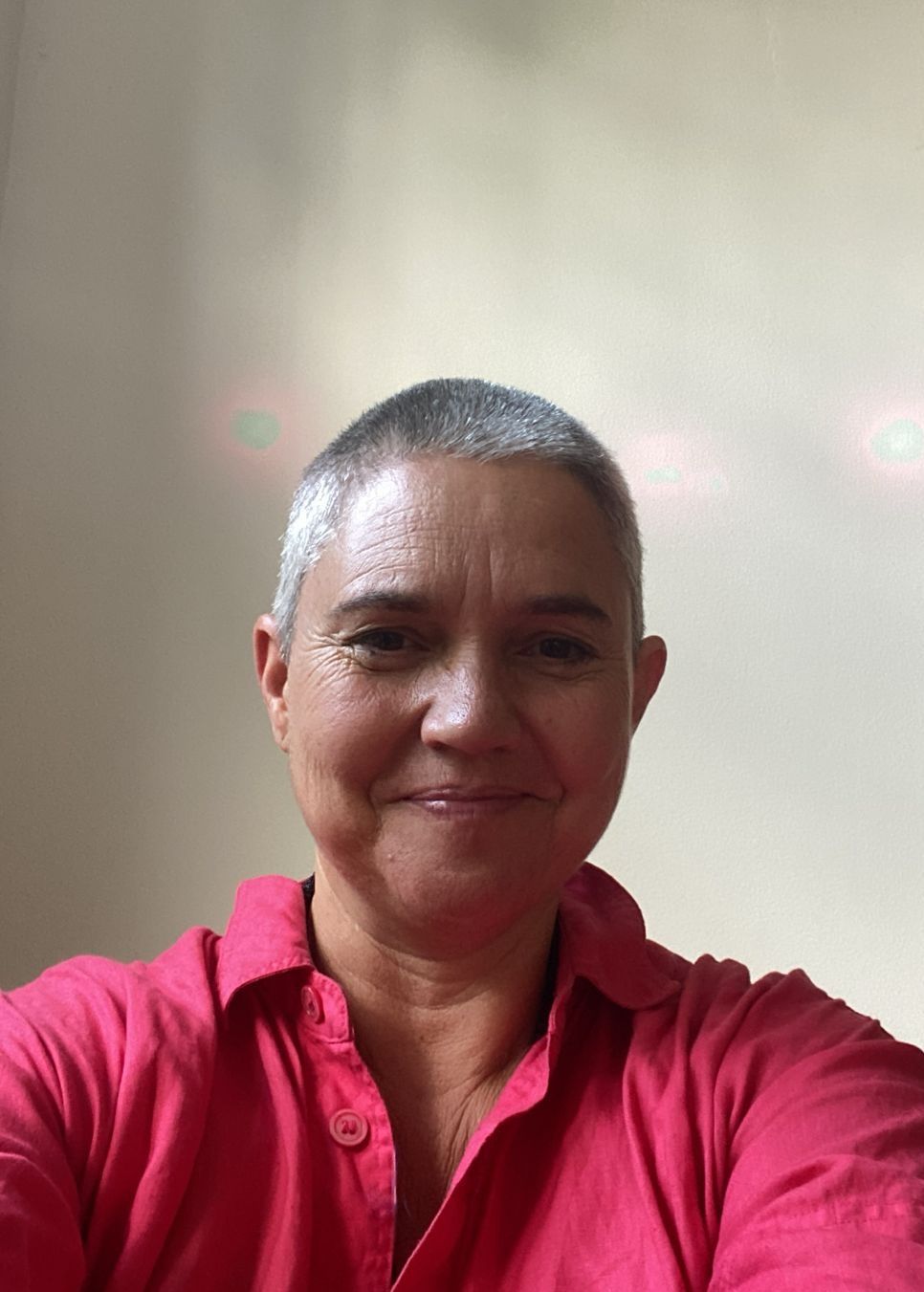
Tessa Priest