

The I, the Other & the We: Gestalt Therapy, Relationships & Responsibility
- Podcast Guest: Sheridan Green
- Podcast Host: Laura Duggan
In this episode of The Right Therapist, Gestalt psychotherapist Sheridan Green explores how relationships, attachment, and responsibility shape the way we connect with others. Sheridan introduces a core Gestalt framework — the I, the Other, and the We — and explains why healthy relationships depend on awareness of all three.
The conversation unpacks how childhood experiences, attachment patterns, and unmet needs influence adult relationships, often beneath what couples describe as “communication problems.” Sheridan and Laura explore themes of listening versus reacting, defensiveness as a signal of unfinished inner work, and how people often hear old relational history rather than present-day intention.
They also discuss couples therapy, parenting, neurodiversity, and invisible emotional labour, highlighting how slowing down and staying present supports rupture and repair in relationships. A live Gestalt therapy segment offers insight into relational work grounded in awareness rather than fixing or advice.
Listeners will come away with a clearer understanding of Gestalt therapy, relationship responsibility, and how developing self-awareness allows people to engage in relationships with greater choice, authenticity, and care — without losing themselves in the process.
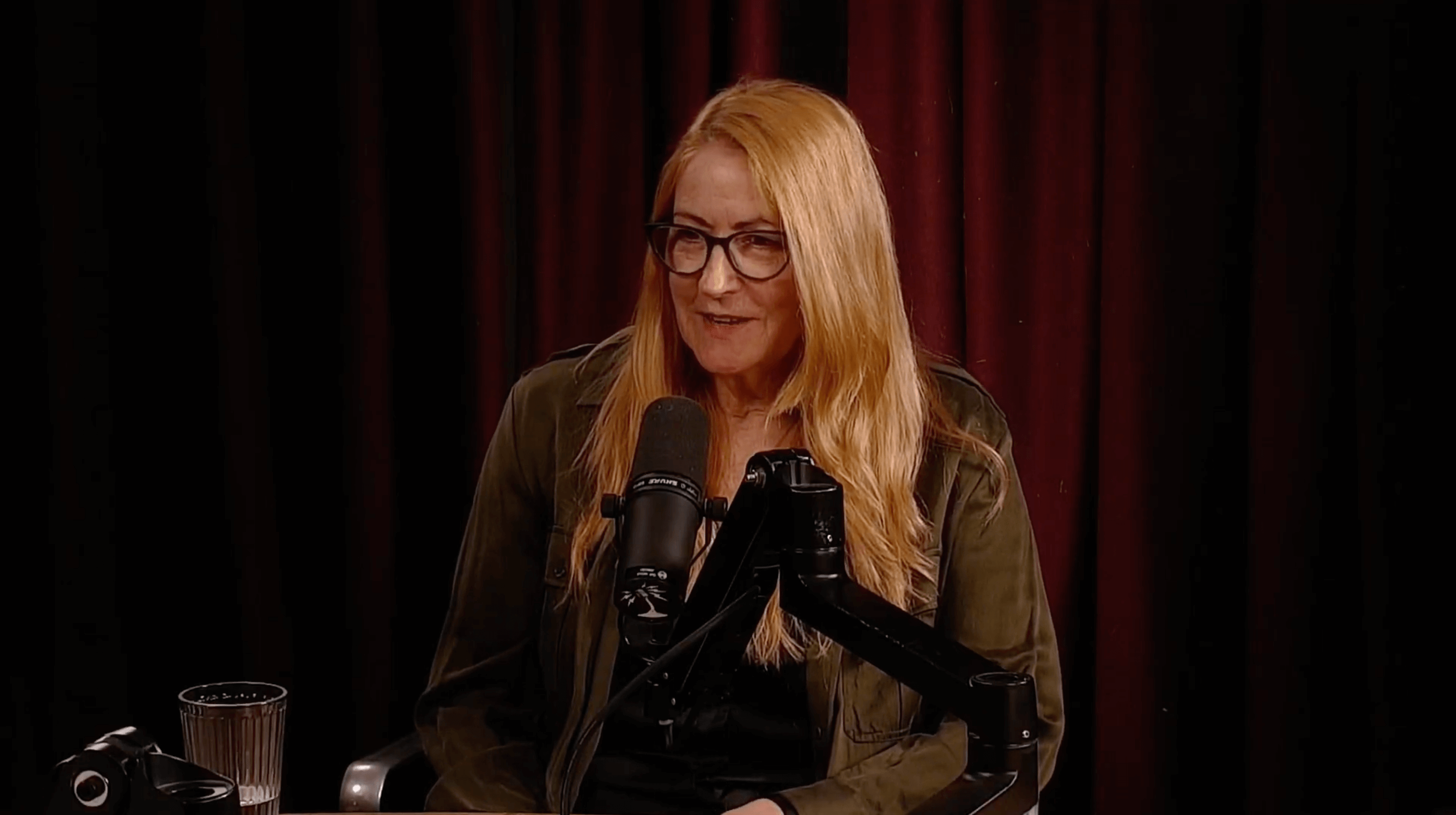
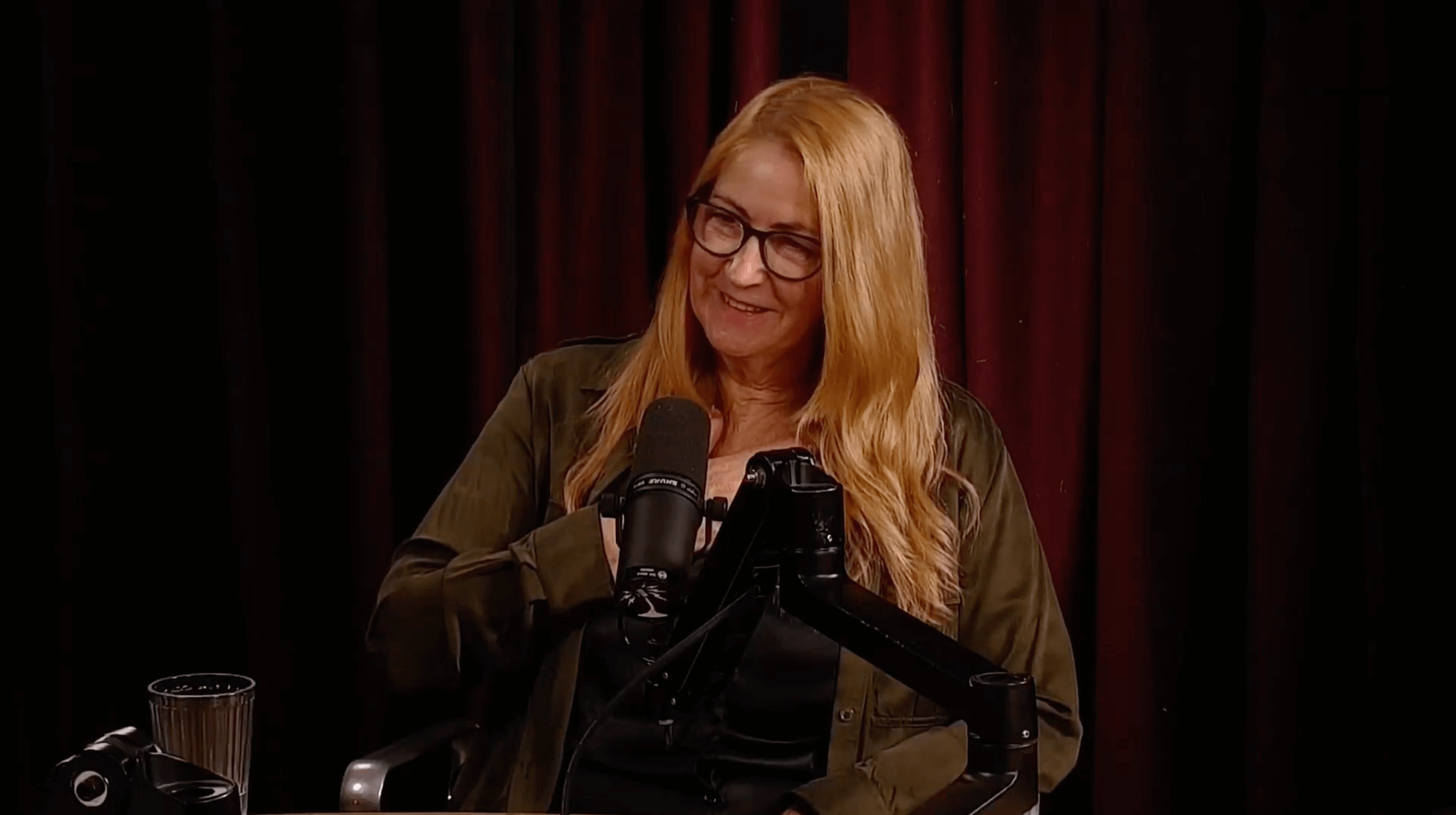
Sheridan Green
Listen on
Talking Points
00:00 – The Three Relationships
- Sheridan introduces a core Gestalt framework for relationships: there are always three relationships present — the relationship with self, the partner’s relationship with self, and the shared relationship, thewe. Healthy partnerships require care and responsibility for all three.
00:50 – Meet Sheridan Green
- Sheridan shares her background as a Gestalt psychotherapist, EMDR therapist, existential coach, and clinical counsellor, with over 15 years’ experience working with individuals and couples.
01:40 – Finding Therapy Through Crisis
- Sheridan reflects on discovering therapy after postnatal depression, describing how motherhood triggered a profound existential shift and revealed unresolved childhood trauma.
03:40 – Childbirth as an Existential Event
- Becoming a parent is framed as an existential crisis — a moment where identity, freedom, and meaning are fundamentally reconfigured.
05:20 – Why Therapy Isn’t Just for Crisis
- Sheridan argues that therapy can be a vital developmental support, particularly in late adolescence and early adulthood, helping people build self-awareness before major life commitments.
06:45 – Understanding Your Own Childhood
- Why reflecting on family dynamics, attachment, and early experiences is essential — especially before becoming a parent or entering long-term relationships.
08:30 – “We Have a Communication Problem”
- In couples therapy, Sheridan often finds that communication isn’t the real issue. Instead, partners hear each other through the lens of old negative beliefs like “I’m not good enough” or “I’m always at fault.”
10:00 – Hearing vs Being Heard
- A Gestalt intervention: slowing down to distinguish between what was actually said and what was emotionally heard — and clarifying intention rather than assigning blame.
11:45 – Listening or Waiting to Speak?
- Laura and Sheridan explore how many conflicts arise because partners are focused on being heard rather than truly listening.
14:20 – Neurodiversity & Relationship Repair
- Late diagnoses and neurodivergence can transform self-understanding. Without shared language and curiosity, these discoveries can create shame or misunderstanding within relationships.
16:45 – Relationships Are Ongoing Work
- Sheridan challenges the “happily ever after” myth, reframing relationships as living systems that require continual effort, care, and negotiation.
18:40 – Parenting, Labour & Teamwork
- Gendered expectations around domestic labour and emotional work are explored, with an emphasis on partnership, reciprocity, and noticing each other in the present moment.
21:10 – Turning Toward Instead of Away
- When conflict arises, connection depends on staying present rather than withdrawing — sitting together in discomfort instead of escalating or avoiding.
23:00 – Clean Pain vs Dirty Pain
- Old wounds often get projected onto partners. Healing begins when individuals recognise what belongs to the past versus what’s happening now.
25:00 – Defensiveness as a Signal
- Defensiveness is explored as a sign of unfinished personal work rather than proof of relational failure.
54:00 – Live Gestalt Therapy Segment
- Laura and Sheridan explore vulnerability, self-protection, and relational “armour,” unpacking how self-sufficiency can both protect and limit intimacy.
Key Reflection
- Relationships flourish when individuals know themselves well enough to choose connection consciously — rather than repeating old patterns unconsciously.
Transcript
- 00:00 – Opening Reflection: Three Relationships at Play
Sheridan: There are always three relationships happening at once. There’s the relationship you have with yourself. Your partner has a relationship with themselves. And then there’s the relationship you create together — the we.
Each of these needs care and responsibility. If one is neglected, the whole system suffers.
Often, couples focus only on the other person, or on the relationship itself, without attending to the individual inner worlds that shape how each person shows up.
- 00:50 – Introduction of Guest
Laura: Today I’m joined by Sheridan Green — a Gestalt psychotherapist, EMDR therapist, existential coach, and clinical counsellor with over 15 years’ experience working with individuals and couples.
- 01:40 – Sheridan’s Path Into Therapy
Sheridan: I came to therapy by accident. After the birth of my son, I found myself in a vulnerable state that I didn’t recognise at first. Years later, everything began to collapse.
A doctor suggested postnatal depression and referred me to a Gestalt therapist. I stayed in therapy for seven years before beginning my own training — and it completely changed how I understood myself, my childhood, and my relationships.
- 03:40 – Childbirth as an Existential Crisis
Sheridan: Childbirth is an existential rupture. Your identity, freedom, and relationship to the world fundamentally shift.
No matter how much you think you understand parenting intellectually, the lived experience is something else entirely.
- 05:20 – Therapy as Developmental Support
Sheridan: I believe everyone would benefit from therapy between 16 and 20 — and again in their mid-20s.
These are major identity thresholds. Having a space where you can be fully honest, without agenda or judgement, is deeply formative.
- 06:45 – Childhood, Parenting & Awareness
Laura: One of the strongest predictors of children’s resilience is a parent’s understanding of their own developmental history.
Sheridan: Exactly. When parents understand their childhood — their family dynamics, attachment patterns, and unmet needs — they’re far less likely to unconsciously repeat them.
- 08:30 – “We Have a Communication Problem”
Sheridan: Most couples say they come to therapy because of communication.
But what’s actually happening is that people are hearing through old beliefs — I’m not good enough, I’m always wrong, I’m being blamed.
They’re not hearing the words. They’re hearing history.
- 10:00 – Hearing vs Intention
Sheridan: A key intervention is slowing down and asking:
What did you hear?
What was the intention?
When couples realise those two things don’t match, something shifts.
- 11:45 – Listening vs Waiting to Speak
Laura: Often people aren’t listening — they’re waiting for their turn to speak.
Sheridan: Yes. And in that gap, the relationship disappears.
- 14:20 – Neurodiversity & Identity
Sheridan: Late diagnoses — ADHD, dyslexia, autism — can be liberating or shaming, depending on how they’re received.
Couples need language and curiosity to integrate these discoveries without pathologising each other.
- 16:45 – Relationships Are Work
Sheridan: Relationships are not fairy tales. They are ongoing work.
There’s intimacy, joy, connection — and there’s also effort, responsibility, and repair.
Most people don’t realise what they’ve signed up for.
- 18:40 – Parenting, Labour & Teamwork
Sheridan: Many conflicts arise around invisible labour — emotional, domestic, mental.
Healthy relationships function as teams, not hierarchies.
- 21:10 – Turning Toward
Sheridan: When things get uncomfortable, don’t turn away.
Pull up a chair. Stay present. Breathe together.
- 23:00 – Clean Pain vs Dirty Pain
Laura: Old pain often gets blasted at partners.
Sheridan: If it’s old, it’s not about the person in front of you. That distinction changes everything.
- 25:00 – Defensiveness as a Signal
Sheridan: Defensiveness usually signals unfinished personal work — not a bad relationship.
- 54:00 – Live Gestalt Therapy Segment
A real-time therapy moment exploring vulnerability, self-protection, relational armour, freedom, and self-care — without fixing, interpreting, or directing.
- Closing Reflection
Sheridan: When you know yourself deeply, you don’t lose yourself in relationships — you choose them.
- Call to Action
Laura: If this conversation resonated, subscribe and download the Source app to find a therapist who truly fits — faster.
Resources
No resources available.
Contact the therapist

Sheridan Green