

Complex Trauma, Nervous System Safety & EMDR
- Podcast Guest: Giorgia des Landes
- Podcast Host: Laura Duggan
In this episode of The Right Therapist, trauma-informed therapist Giorgia explores nervous system regulation, safety, and what it means to come home to the body after trauma. Drawing on body-based and relational approaches, Giorgia explains how many patterns people struggle with — hypervigilance, shutdown, people-pleasing, and overwhelm — are intelligent adaptations of the nervous system, not problems to be fixed.
The conversation focuses on why healing begins with safety and regulation, rather than insight alone, and how moving too quickly in therapy can feel re-traumatising rather than supportive. Giorgia and Laura unpack how embodiment, pacing, and listening to physical sensations help expand capacity, soften shame, and restore trust in the body’s signals.
They explore the role of the therapeutic relationship as a regulating experience, highlighting how consistency, attunement, choice, and consent support nervous system repair. Themes of agency, rupture and repair, and sustainable change are woven throughout, showing how therapy offers a corrective experience where disconnection does not have to mean abandonment.
Listeners will come away with a grounded understanding of trauma-informed therapy, nervous system safety, and why lasting healing happens slowly — through presence, regulation, and learning that it is safe to be here, in yourself.
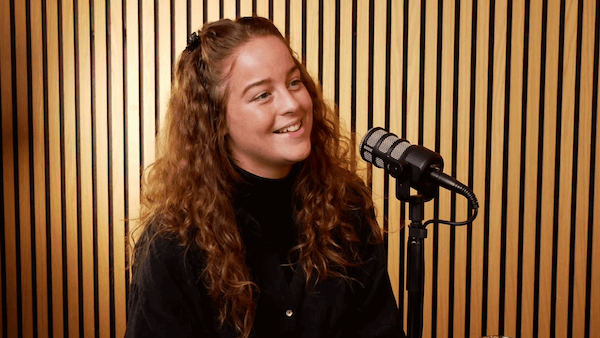
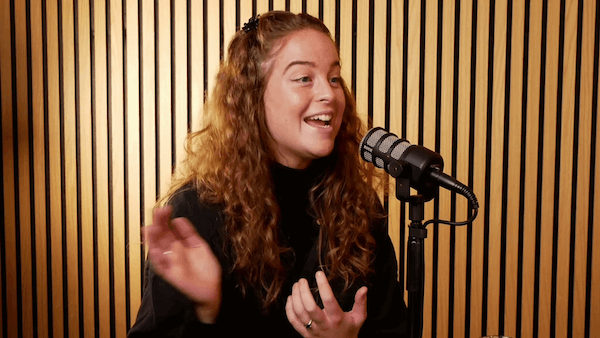
Giorgia Deslandes
Listen on
Talking Points
Acknowledgement & introduction
- 00:00 — Why safety is foundational to healing: the nervous system as the starting point for therapy.
- 00:42 — Introducing Giorgia: a trauma-informed therapist whose work centres on regulation, embodiment, and helping clients reconnect with a sense of internal safety.
- 01:05 — Acknowledgement of Country.
Giorgia’s work & what therapy offers
- 01:18 — Giorgia describes her work as deeply relational, steady, and grounded in the body.
- 02:02 — Why many clients arrive disconnected from sensation, emotion, or a sense of “home” in themselves.
- 02:48 — Therapy as a place to gently rebuild trust in the body.
Trauma, safety & the nervous system
- 03:24 — Trauma as something held in the nervous system, not just the mind.
- 04:10 — Why “talking about it” isn’t always enough.
- 04:46 — The importance of pacing and choice when working with trauma.
Regulation vs re-traumatisation
- 05:32 — Why pushing too fast can overwhelm the system.
- 06:15 — Therapy as expanding capacity, not forcing exposure.
- 06:58 — How regulation allows difficult material to emerge safely.
The body as information
- 07:42 — Sensations as signals rather than problems to fix.
- 08:30 — Learning to notice breath, tension, numbness, and movement.
- 09:12 — Why the body often speaks before words arrive.
Shame, self-protection & survival strategies
- 10:05 — How coping strategies that once kept us safe can later feel restrictive.
- 11:02 — Trauma responses as intelligent adaptations, not pathology.
- 11:48 — Meeting protective parts with respect rather than resistance.
Working relationally in therapy
- 13:02 — The therapeutic relationship as a source of co-regulation.
- 13:48 — Why feeling “felt” matters more than insight alone.
- 14:36 — How safety is built moment-by-moment in session.
Consent, choice & agency
- 15:22 — Why consent is central in trauma-informed work.
- 16:04 — Letting clients lead the pace.
- 16:42 — Rebuilding agency after experiences of powerlessness.
Rupture and repair
- 17:38 — Why misattunements happen even in good therapy.
- 18:12 — Repair as a corrective emotional experience.
- 18:56 — What clients learn when rupture can be named and held.
Who this kind of therapy supports
- 20:02— Especially supportive for developmental trauma, chronic stress, anxiety, and burnout.
- 20:48 — Not about quick fixes — about sustainable change.
Mini-session reflections (experiential focus)
- 22:10 — Giorgia describes how she works moment-to-moment with sensation and presence.
- 23:02 — Following what emerges rather than imposing structure.
Closing & CTA
- 25:14 — Therapy as coming home to yourself.
- 25:48 — Subscribe and download the Source app to find a therapist who truly fits
Transcript
00:00 – Opening Reflection on Safety & the Nervous System
- Laura: When we talk about healing, we often think about insight or understanding — but so much of the work actually begins with safety. Feeling safe enough in your own body to notice what’s there. For many people, their nervous system has learned that slowing down isn’t safe. And therapy becomes the place where we begin to gently change that.
- Giorgia: Yes. For a lot of people, the body has learned very early on to stay alert, braced, or disconnected. So the first part of the work is helping the system feel safe enough to even arrive.
00:46 – Introduction of Guest
- Laura: Today I’m joined by Giorgia, a trauma-informed therapist whose work centres on nervous-system regulation, embodiment, and helping people reconnect with a sense of internal safety.
- Giorgia’s approach is relational, body-based, and deeply attuned to pacing and consent. She supports clients to work gently with stress, overwhelm, trauma, and long-standing patterns that live in the body.
- You’re listening to The Right Therapist, where we demystify therapy.
- We’d like to begin by acknowledging the Traditional Custodians of the land on which we live and work, paying our respects to Elders past and present, and extending that respect to all Aboriginal and Torres Strait Islander peoples listening today.
01:38 – Why Giorgia Does This Work
- Laura: What drew you to this kind of therapy?
- Giorgia: I was really drawn to the body — and to the question of safety. So many people arrive in therapy knowing why they feel the way they do, but still feeling stuck. I became interested in how the nervous system holds experience, and how healing happens when people feel safe enough to be with themselves.
03:03 – Trauma, the Body & Safety
- Laura: How do you understand trauma in your work?
- Giorgia: Trauma isn’t just something that happened in the past — it’s how the nervous system adapted to survive. And the body doesn’t respond to logic in the same way the mind does. That’s why talking about something doesn’t always resolve it. The body needs a different kind of listening.
05:11 – Regulation vs Re-Traumatisation
- Giorgia: If therapy moves too quickly, the system can feel overwhelmed again. Even with the best intentions, that can be re-traumatising. So the work is about expanding capacity — not forcing exposure. We build regulation first, and from there, more difficult material can emerge safely.
08:29 – Listening to the Body
- Laura: What does it mean to listen to the body in therapy?
- Giorgia: It can be very simple. Noticing breath, tension, numbness, movement — without trying to change anything. The body often communicates before words are available. When we slow down enough to notice, something begins to shift.
12:22 – Survival Strategies & Shame
- Giorgia: Many of the patterns people struggle with now were once protective. Hyper-vigilance, shutting down, people-pleasing — these were intelligent responses. When we see them that way, shame softens. We’re no longer trying to get rid of parts of ourselves that once kept us safe.
16:23 – The Therapeutic Relationship as Regulation
- Laura: How does the relationship itself support healing?
- Giorgia: The relationship is regulating. Feeling seen, felt, and responded to consistently gives the nervous system a new experience. It’s often not insight that heals — it’s being with someone who can stay present without urgency or judgement.
21:05 – Consent, Choice & Agency
- Giorgia: Choice is central in trauma-informed work. Even small moments of agency help rebuild trust. Clients don’t need to go anywhere they’re not ready to go. Therapy becomes a place where consent is practiced over and over again.
22:55 – Rupture & Repair
- Laura: What happens when there’s a mis-attunement in therapy?
- Giorgia: Ruptures happen — even in good therapy. What matters is repair. When something can be named and worked through together, it becomes a corrective experience. The system learns that disconnection doesn’t have to mean abandonment.
29:01 – Who This Work Supports
- Giorgia: This approach can be especially supportive for people with developmental trauma, chronic stress, anxiety, or burnout. It’s not about quick fixes. It’s about sustainable change that the nervous system can actually hold.
31:09 – Therapy as Coming Home
- Laura: How do you think about healing overall?
- Giorgia: For me, therapy is about coming home — slowly, gently, and in your own time. It’s about learning that it’s safe to be here, in yourself.
36:03 – Reflection on the Work
- Laura: There’s something very different about that pace.
- Giorgia: Yes. When we slow down enough, the system shows us what it needs. Nothing has to be forced.
45:12 – Closing & Call to Action
- Laura: If this conversation resonated with you, hit subscribe and click the link below to download the Source app. It’s free to get started and helps you find a therapist who truly fits — faster.
Resources
No resources available.
Contact the therapist

Giorgia Deslandes