
Integrating Eastern Philosophy, Attachment Repair & Eco Therapy
- Podcast Guest: Al Jeffery
- Podcast Host: Laura
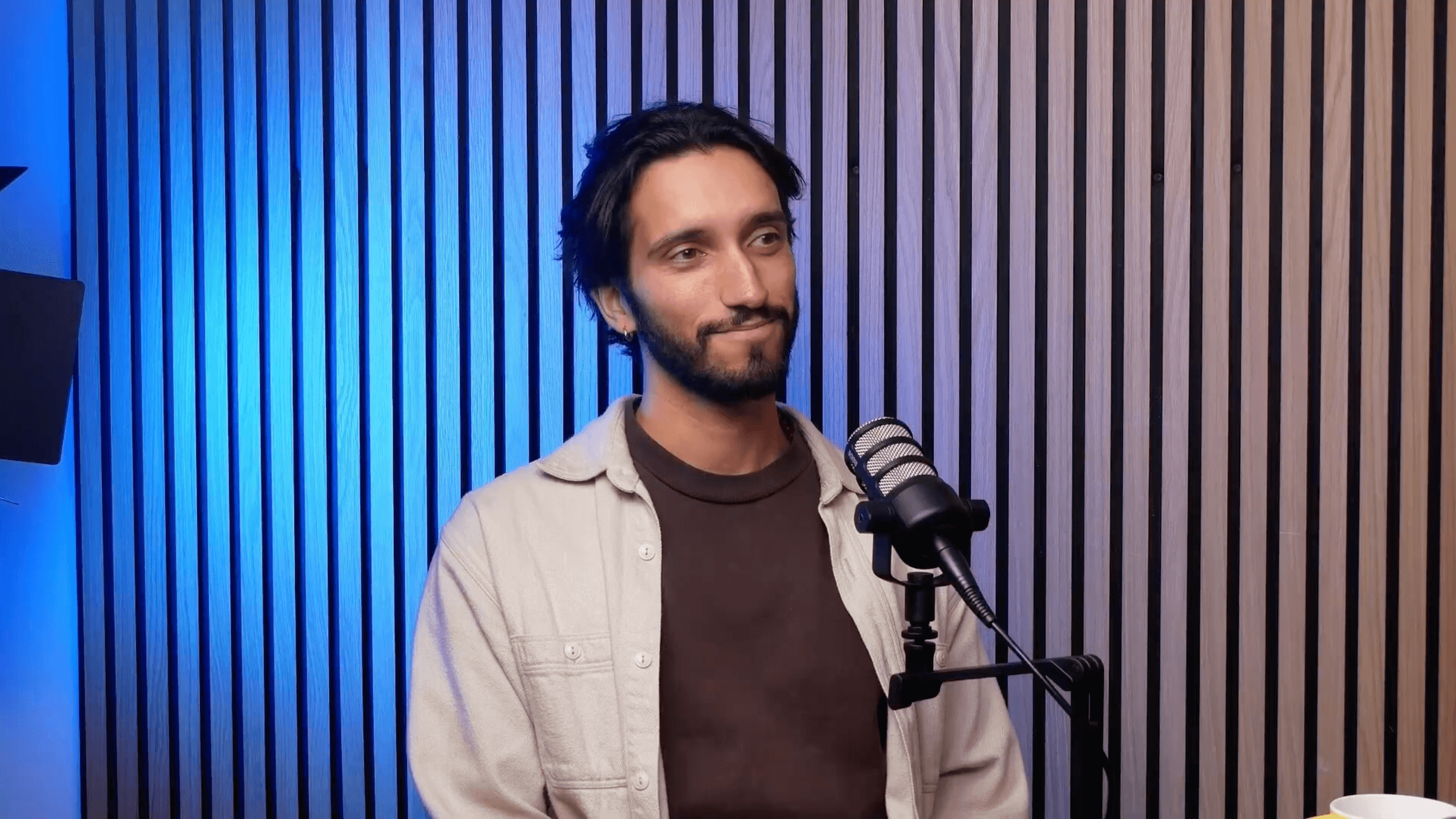
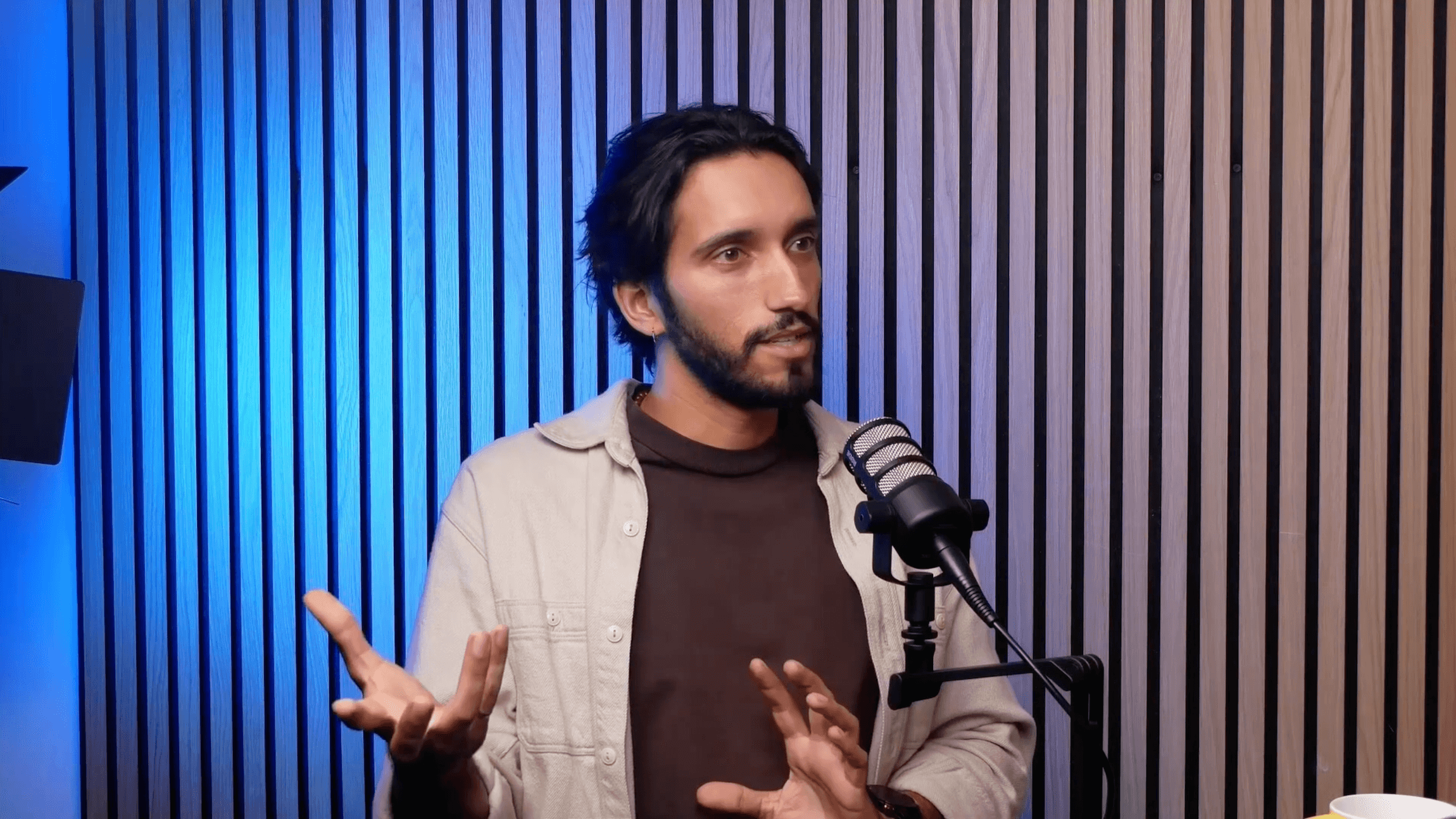
In this episode of The Right Therapist, Laura is joined by Al Jeffery, an integrative psychotherapist whose work bridges Eastern philosophy and Western psychotherapy, with a strong focus on attachment repair, embodiment, identity, and our relationship to culture and nature.
Al explores how psychological distress often makes sense when viewed in context — not as something “wrong” inside an individual, but as a response to internalised systems, relationships, and cultural conditions. Drawing on his own lived experience, he speaks to the de-shaming power of therapy that helps people discern what is theirs to carry, and what never was.
A live therapy segment introduces the Ideal Parent Figure Protocol, demonstrating how imagination can be used to create new internal working models of safety, attunement, and care. Rather than focusing on imagery, the work centres on cultivating an embodied sense of being met — supporting the development of earned attachment security over time.
The conversation also explores masculinity and identity, LGBTQIA+ affirmative therapy, eco-therapy and wilderness work, rites of passage, leadership and stewardship, and the balance between “growing up” psychologically and “waking up” spiritually.
This episode offers a rich, integrative view of therapy — one that supports personal healing while remaining deeply connected to community, culture, and the natural world.
Al Jeffery
Listen on
Talking Points
- 00:00 — Opening Reflection: Imagination & Attachment: Al introduces how attachment experiences shape our anticipations of relationship — and how imagination can be used therapeutically to create new internal working models and embodied safety.
- 01:05 — Welcome & Acknowledgement of Country: Acknowledgement of the Traditional Custodians of the land and respect to Elders past and present.
- 01:40 — Meet Al Jeffery: Al shares his background as an integrative psychotherapist blending Eastern philosophy, Western psychotherapy, and community-based healing. His work supports individuals navigating depression, anxiety, grief, relationships, identity, masculinity, and sexuality, with a strong commitment to LGBTQIA+ inclusivity.
- 03:20 — Psychology, Culture & Context: Exploring how distress is often mislocated as an individual problem rather than understood within cultural, systemic, and relational contexts. Al introduces his transformative justice lens.
- 05:00 — Shame, Queer Identity & Returning What Isn’t Ours: A powerful personal story about shame, protection, and reclaiming dignity — including the moment a therapist helped Al externalise internalised religious shame.
- 08:00 — Curiosity, Congruence & Inner–Outer Conflict: How early support helped Al transform inner dissonance into curiosity and activism, and how therapy can help harmonise inner truth with external reality.
- 10:00 — Turning Ground & Community-Based Healing: Al discusses co-founding Turning Ground and why individual therapy alone is not enough without cultural and communal change.
- 12:00 — Ecology, Belonging & Nature Connection: Why belonging extends beyond human relationships — and how reconnection with the natural world supports nervous system regulation and meaning.
- 13:30 — Leadership, Stewardship & Nature-Informed Ethics: Al’s work with leadership teams integrates wilderness practice, slowing down, listening, and redefining leadership beyond capitalist drivers.
- 16:00 — People, Planet & Profit: Exploring the triple bottom line, burnout in purpose-driven organisations, and why regenerative leadership requires value realignment.
- 18:30 — Eastern, Indigenous & Western Views of Enterprise: How trade economies, modest growth, and community stewardship contrast with Western models of endless expansion.
- 19:05 — Live Therapy Segment Begins: Laura steps into the client role to explore attachment material using the Ideal Parent Figure Protocol.
- 21:50 — Introducing the Ideal Parent Figure Protocol (IPFP): Al explains how imagination and felt sense are used to cultivate inner security without replacing real caregivers.
- 22:40 — Guided Attachment Repair Process: A live, experiential visualisation exploring safety, warmth, childhood states, ideal caregivers, and embodied ease.
- 35:00 — Integration & Embodied Anchoring: Marking the experience somatically and discussing how these states become internal resources.
- 38:15 — Why Imagination Works in Attachment Repair: Attachment as anticipatory imagination — and how IPFP reshapes internal working models through felt experience.
- 43:00 — Earned Security & Repetition: How attachment repair is practiced over time, including between-session recordings and research-backed outcomes.
- 46:30 — Growing Up & Waking Up: Introducing Ken Wilber’s developmental framework: becoming a self, then transcending the self, and finally showing up in service.
- 52:30 — Eco Therapy & the Natural World as Healer: Nature as the original healing art — and how therapy shifts when the land becomes the primary relationship.
- 1:00:00 — Rites of Passage & Vision Quests: Al describes wilderness rites, fasting, listening to land, and reclaiming lost initiatory practices in modern culture.
- 1:08:00 — Fear, Safety & Confidence in the Wild: How discomfort in nature builds deep internal trust and resilience.
- 1:12:00 — Adolescence, Self-Initiation & Missing Elders: Why modern cultures lack containment for developmental thresholds — and how this contributes to addiction and agitation.
- 1:14:30 — Programs, Communities & What’s Emerging: Resources and groups offering nature-based leadership and community ritual.
- 1:17:00 — Closing Reflections: On imagination, attachment, service, and remembering that another way of being is always close at hand.
Transcript
- Host: The way attachment experiences get internalised creates an imaginative anticipation of relationship. We’re constantly anticipating how the other will respond — or not — and in that sense, it’s all imagination.
- Host: And so what we’re doing is using the power of imagination to create a new internal working model — a new sense of inner security that’s felt in the body. It’s less about the image itself, and more about the feeling of being met in an ideal way.
- Host: Today I’m joined by Al Jeffery, an integrative psychotherapist whose work blends Eastern philosophy and Western psychotherapy to support personal growth and healing. Al works with people experiencing depression, anxiety, grief, and relationship challenges, and offers an affirming space for LGBTQIA+ clients. His work often explores masculinity, sexuality, identity, leadership, and our relationship to the natural world.
- Host: You’re listening to The Right Therapist — where we demystify therapy.
- Host: We’d like to begin by acknowledging the Traditional Custodians of the land on which we live and work. We pay our respects to Elders past and present, and extend that respect to all Aboriginal and Torres Strait Islander peoples listening today.
- Host: Thanks so much for joining us, Al.
- Al: Thanks for having me.
- Host: Can you tell us a little about your work?
- Al: Yeah — broad question. My interest for a long time has been in minds and psychology, but also culture. I’ve lived through my own experiences of depression, and that’s made me deeply curious about the intersection of culture and psychology — how we’re shaped by the worlds we’re born into, and how we also shape them back.
- Al: A lot of my work sits at the edge between the intrapersonal and the relational. I’m not particularly interested in the idea that there’s something wrong inside someone that needs fixing. That feels very Western and very decontextualised. I’m more interested in how we’ve internalised systems and structures, and how distress often makes sense when you see the wider context.
- Al: So yes, we work with what’s ours to carry — but we also look at what never belonged to us in the first place.
- Host: That feels incredibly deshaming — recognising that what someone is experiencing might not be a personal failing, but a response to an oppressive system.
- Al: Absolutely. I can speak to that personally as a queer man. For a long time I carried a sense that there was something wrong, dirty, or perverse about me. And I remember a therapist once saying to me — very clearly and protectively — “That’s not yours to carry. Send it back to the Pope.”
- Al: It was funny, but it cut straight through. It provoked grief, and also rage — which was really important. Shame is often too overwhelming to go directly into, so working with the feelings around the shame is what actually allows movement.
- Host: You do a lot of work around context — culture, systems, community. Where did that come from?
- Al: I think partly from being supported early on to stay curious about dissonance rather than collapsing into it. That gap between what felt true internally and what was allowed externally became fascinating to me. Over time, that curiosity turned into a commitment to helping people live with more congruence between inner and outer worlds.
- Host: You cofounded Turning Ground. Can you share a bit about that?
- Al: Turning Ground came from recognising that individual therapy alone isn’t enough. We can do profound work one to one, but then we send people back into the same cultural conditions. So we also run group work, community programs, and nature based practices — all aimed at restoring connection, difference holding, and belonging.
- Host: I’m really curious about the leadership work you do.
- Al: A lot of it brings psychotherapeutic sensibilities into leadership contexts — slowing down, listening, working with the nervous system, and learning stewardship from nature rather than domination. Especially in social enterprise spaces, capitalist drivers can contradict the very impacts people want to make.
Live Therapy Segment — Ideal Parent Figure Protocol
- Host: I wonder if now is a good time to do a little bit of therapy — a bit of a change of pace. I generally frame this by saying this isn’t a regular therapy session. You’re not my therapist, and usually there’d be a buildup of work together before diving in like this. And it’s different with microphones and listeners. My intention is to offer myself as a client, and you offering yourself as a therapist, to give people a felt sense of what therapy — and therapy with you — can be like.
- Al: Yeah, that sounds good.
- Host: I’ll settle myself into the role of client… kind of shake off the podcast me… alright. I feel a little smaller as soon as I do that.
- Al: Yeah. Before we begin, I might suggest we explore something called the Ideal Parent Figure Protocol. It’s a way of working with attachment material. Is that something you’re open to?
- Host: Yeah, totally. For context, I shared with you before we recorded that I’ve had a tough week — some attachment stuff coming up unexpectedly. I feel steadier now, but it’s still very present.
- Al: Okay. So just to frame it — we use the power of imagination to summon ideal parent figures. They’re not replacements for your biological parents. They’re figures that carry ideal qualities — protection, attunement, delight, soothing. Through imagination, we access the felt sense of being met. It’s the feeling that matters more than the image.
- Host: That sounds nice.
- Al: I’ll invite you, if you’re comfortable, to gently close your eyes. Notice the chair beneath you… the support of the backrest. And on each exhale, allow yourself to relax just a little more — maybe ten percent — just as relaxed as feels safe.
- Al: I’ll invite you to sense yourself at an age somewhere between four and seven. Not a specific memory — just a felt sense of yourself at that time.
- Host: I immediately feel strong — tough, fierce. I see myself charging through life.
- Al: Stay close to those feelings — strong, fierce, charging — and from there, let a scene emerge that feels safe and ideal.
- Host: I see a warm garden. It’s sunny, wild, lots of flowers. The main thing I notice is how warm I feel.
- Al: Notice that warmth in your body. Breathe into it.
- Host: There’s a part of me that’s saying, “Good — no one’s here.”
- Al: How is it to notice that?
- Host: It feels a little sad.
- Al: Let that sadness be welcome. Is there anything in the scene that supports it?
- Host: I see my childhood horses. I can smell them. I feel close to them.
- Al: Stay with that — the horses and the sadness together.
- Al: Now, slowly, we’ll invite ideal parent figures into the scene. They can be near or far — whatever feels right.
- Host: I see two figures — a man and a woman. The man is gentle, welldressed but relaxed. The woman is calm, beautiful, joyful.
- Al: Notice how they feel toward you.
- Host: They’re enjoying me. I feel light. Easy. Like I can just be myself.
- Al: Let yourself feel that — that for them, you are the most important thing in the world.
- Host: I feel playful. There’s no effort. No stress.
- Al: Take a moment to gather the whole scene — the figures, the horses, the warmth. Let it imprint in your body. Is there a place where it anchors?
- Host: It feels like it’s printed on my chest — like an image on my jumper.
- Al: Beautiful. From that place, offer any gratitude that feels sincere.
- Host: I feel incredibly grateful.
- Al: Now, staying with the feeling in your body, allow the figures to gently dissolve… the scene to fade… keeping the embodied sense with you.
- Host: I feel joyful. Easy. Happy.
- Al: Take your time coming back.
PostProcess Reflection
- Host: I’m really struck by how vivid and easy that was — and how willing I was to trust and connect.
- Al: For some people, visualisation is hard. For others, there’s guilt. And sometimes there’s just readiness. What this works with is the fact that attachment itself is imaginative — we’re always anticipating how others will respond. This creates a new internal working model.
- Host: And the feeling stays, even as the image fades.
- Al: Exactly. That embodied sense is what we’re cultivating.
Integration, Theory & Closing
- Host: As we come out of that experience, I’m really aware of how different it felt to receive support from within — rather than from another person in the room.
- Al: Yeah. That’s a really common response. What this protocol works with is the fact that attachment itself is imaginative. We’re always anticipating how others will respond to us — whether they’ll be available, rejecting, attuned, or absent. That anticipation lives in the body.
- Al: So when people say, “But that was just my imagination,” I usually smile — because attachment is already imagination. What we’re doing here is creating a new internal working model that’s embodied, not just cognitive.
- Host: And the feeling seems to stay, even as the image fades.
- Al: Exactly. That’s why we’re careful about how we come out of it. The goal isn’t to hold onto the imagery — it’s to retain the felt sense of safety, ease, and being met. Over time, with repetition, that begins to reorganise attachment patterns toward what we call earned security.
Earned Security & Repetition
- Host: Is this something you would return to again with a client?
- Al: Very much so. If attachment material is active — which it often is — this can become a core part of the work. We usually repeat it over time, sometimes recording the visualisation so it can be practised between sessions. Research suggests it can take dozens of sessions to reliably move attachment toward earned security.
- Al: But what I love about this approach is that it doesn’t frame people as broken. It assumes there’s already a seed of what’s needed — we’re just giving it conditions to grow.
Growing Up & Waking Up
- Host: Earlier you mentioned the idea of growing up and waking up. Can you say a bit more about that?
- Al: That language comes from Ken Wilber. Growing up is about becoming a healthy self — integrating our history, our attachment patterns, our wounds. Waking up is about moving beyond the selfinto non-dual or transpersonal experience.
- Al: The problem is when we try to wake up without growing up first — that’s spiritual bypassing. You need a self before you can transcend the self. Otherwise meditation or spirituality can actually become another form of dissociation.
- Al: I like to hold psychotherapy in that larger frame — not just helping people function better, but helping them eventually show up in service, contribution, and relationship to something larger than themselves.
Eco Therapy & the Natural World
- Host: That feels connected to the eco-therapy work you do.
- Al: Very much so. Eco-therapy recognises the natural world as the original healing art. In that work, the therapist steps back — the primary relationship becomes the person and the land.
- Al: Being in nature brings us back into the body, into the senses. It can be deeply regulating — but also confronting. The wild isn’t just beautiful; it’s unpredictable. Learning to feel safe there builds a profound kind of inner confidence.
Rites of Passage & Vision Quests
- Host: You’ve spoken before about rites of passage and vision quests.
- Al: Yes. Many cultures have initiatory processes that mark transitions — especially adolescence into adulthood. We’ve largely lost those. Without elders to guide initiation, people often self-initiate through risk, addiction, or collapse.
- Al: Vision quests and wilderness rites are about listening deeply — to the land, to the self — and then returning to community with a clearer sense of responsibility and gift.
Leadership, Stewardship & Culture
- Host: How does this translate into your leadership work?
- Al: Leadership informed by nature tends to be slower, more humble, more relational. A lot of burnout in purpose-driven organisations comes from trying to serve people and planet while still being driven by extractive capitalist values.
- Al: When leaders realign their values — genuinely valuing people, planet, and profit equally — the culture shifts. Otherwise, you get greenwashing and internal conflict.
Closing Reflections
- Host: This conversation really highlights how close another way of being always is.
- Al: Yeah. Often it’s just a millimetre to the side of our default narrative. Therapy, imagination, nature — they all remind us that other possibilities are already here.
- Host: Thank you so much, Al.
- Al: Thank you. It’s been a pleasure.
Resources
No resources available.
Contact the therapist
Al Jeffery