

Addiction, Trauma, Attachment & Recovery
- Podcast Guest: Angus Ferguson
- Podcast Host: Laura Duggan
In this episode of The Right Therapist, Gestalt psychotherapist Angus Ferguson explores addiction, attachment, and recovery through a compassionate, trauma-informed lens. Angus reframes addiction not as a moral failing or lack of willpower, but as an adaptive response to pain, disconnection, and unmet attachment needs.
The conversation examines how early trauma, adverse childhood experiences (ACEs), and ongoing stress shape compulsive patterns such as substance use, gambling, and other addictive behaviours. Angus and Laura discuss why addiction is best understood as a loss of choice, how shame keeps people silent for years, and why healing becomes possible through relationship, connection, and being truly seen.
They explore the role of the nervous system, the importance of compassion and curiosity in therapy, and how recovery is supported through relational repair, community, and meaningful connection — not just individual effort. A live therapy segment offers an honest look at how therapy works with addiction, grief, autonomy, and self-compassion without fixing or judgement.
Listeners will come away with a deeper understanding of addiction as an attachment-based and relational issue, why recovery happens in connection, and how therapy can support lasting change by restoring dignity, agency, and hope.
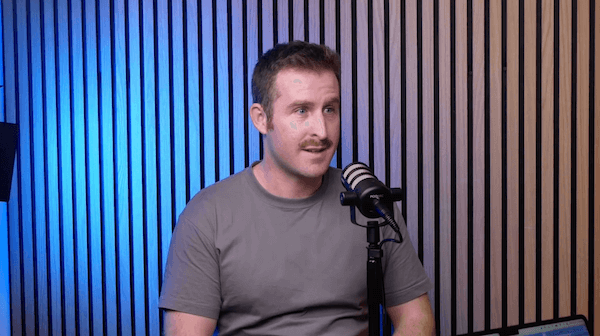
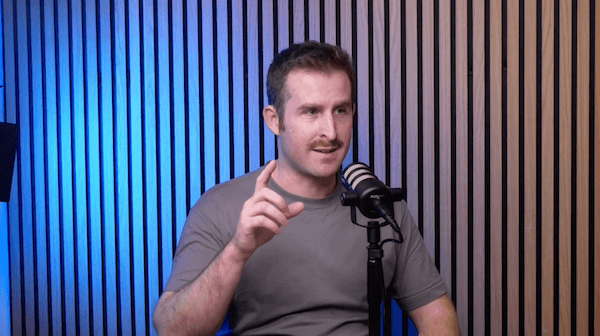
Angus Ferguson
Listen on
Talking Points
- 00:00 — Shame, secrecy & “I’m especially bad”: Addiction often lives in silence. Laura and Angus explore how shame convinces people they are uniquely broken, keeping addiction hidden and unsupported.
- 01:36 — Introducing Angus & his work: Angus shares his focus on supporting people with addictions to drugs, alcohol, gambling, and other compulsive behaviours such as OCD and eating disorders.
- 02:14 — What addiction and compulsions have in common: Why addiction offers temporary relief or pleasure—but leads to longer-term consequences and loss of choice.
Understanding addiction beneath the behaviour
- 04:10 — Addiction as a symptom, not the cause: Addiction often reflects unresolved pain rather than poor decision-making.
- 04:38 — ACEs, trauma & early environments: How adverse childhood experiences increase vulnerability to addiction—and why trauma is about felt experience, not just events.
- 06:53 — Big T, small t & what gets missed: Why bullying, medical trauma, and systemic discrimination can be just as impactful as overt abuse.
- 08:42 — “There was no one to bond with”: Addiction as a substitute for unavailable human attachment.
Why connection heals
- 10:46 — One safe person can change everything: How being seen, understood, and supported—even by one person—can prevent pain from becoming chronic.
- 11:16 — Where do you find that now?: Hotlines, therapy, groups, and small first steps when connection feels unsafe or unfamiliar.
- 13:56 — Social prescribing & community healing: Why connection, shared purpose, and belonging are powerful forces in recovery.
- 15:21 — AA, NA & shared experience: The value of being with others who understand addiction from the inside.
Shame, authenticity & society
- 16:22 — Why addiction stays hidden: How cultural conditioning teaches us what’s “acceptable” and disconnects us from authenticity.
- 17:36 — Attachment vs authenticity: Why humans choose belonging over truth—and how addiction can live in that split.
- 18:00 — The 12-year delay: Research showing people often wait over a decade before seeking help—and why.
Therapy in action: a live Gestalt moment
- 26:45 — Moving into a therapy demonstration: Laura courageously brings her own experience of nicotine addiction into the session.
- 28:02 — “It’s embarrassing to admit”: Naming shame, sadness, and the paradox of addiction as both comfort and harm.
- 30:28 — Addiction as support: Why substances can feel like a best friend—and why that matters in recovery.
- 33:40 — What happens when you stop: How pain emerges when the coping strategy is removed—and why this signals readiness for healing.
- 36:02 — Values, identity & recovery: Shifting from “a person who vapes” to “a person who cares for their body.”
Broader systems & gambling addiction
- 41:59 — Disconnection in modern life: How isolation, consumerism, and loss of community fuel addiction.
- 49:17 — Addiction as a systemic issue: Why underfunded services and profit-driven industries perpetuate harm.
- 1:04:47 — Gambling addiction: Why gambling is uniquely concealed, socially normalised, and psychologically engineered.
- 1:08:04 — The memory of the big win: How past wins keep people hooked—and how grief is part of letting go.
If this episode resonated with you , support is available. Links to helplines, resources, and the Source app are included below.
You don’t have to do this alone.
Transcript
- Laura 0:00
It makes me think of shame when you say that — that people think, “I’m especially bad.I’m really stuck with this, and other peopledon’t seem to be experiencing it.” Addiction is something we tend to keep quiet about, isn’t it?
I’m joined today by Angus Ferguson, a Gestalt psychotherapist, to explore what addiction really is, why it develops, and how we can respond to it in more compassionate and empowering ways. Today we’ll be focusing on addictions to drugs, alcohol, and gambling, though much of what we discuss applies to many forms of addiction.
Angus also shares practical tools for those looking to make positive change.
You’re listening to The Right Therapist, where we demystify therapy.
We’d like to begin by acknowledging the Traditional Custodians of the land on which we live and work. We pay our respects to Elders past and present and extend that respect to all Aboriginal and Torres Strait Islander peoples listening today.
Welcome, Angus.
- Angus 1:21
Thanks, Laura. It’s great to be here.
I’m a psychotherapist, and much of my work supports people who want to change their relationship with drugs, alcohol, and gambling, as well as other compulsive patterns like OCD and eating disorders. What’s interesting is how similar these experiences are — they all offer temporary relief or pleasure, but over time create deeper harm.
Addiction isn’t about poor choices. It’s about compulsion — a lack of choice. People are aware of the consequences, but something inside keeps pulling them back.
- Laura 4:10
It feels like the conversation around addiction has shifted in recent years — there’s more understanding that addiction is a symptom of something else.
- Angus 4:24
Yes. Underneath addiction there is almost always pain — often originating in childhood.
Research around Adverse Childhood Experiences (ACEs) shows a strong correlation between early trauma and adult outcomes like substance use, chronic illness, and mental health challenges. ACEs include emotional, physical, or sexual abuse, neglect, household instability, and exposure to incarceration.
But ACEs don’t tell the full story.
They don’t account for systemic trauma like racism, or small-t trauma — experiences like bullying, medical trauma, or chronic emotional invalidation. Trauma isn’t defined by the event itself, but by how overwhelming it felt and whether support was available at the time.
- Laura 6:55
I often see people who say, “Nothing ‘bad enough’ happened to me — so why am I struggling?”
- Angus
Exactly. Two people can experience the same event and be impacted very differently. What matters is whether there was someone there to help them process it.
Addiction forms when there was no human available to bond with, so the person bonded with a substance or behaviour instead. That bond becomes reliable, predictable — sometimes life-saving.
Addiction isn’t a choice. It’s a reflex.
- Laura 9:21
So healing requires connection?
- Angus 10:00
Yes. Healing happens in relationship — because the wound happened in relationship.
I’ve worked with people who experienced severe trauma but had one adult who truly saw them. They can speak about their past with coherence and calm. We only need one person.
The good news is: it doesn’t have to happen in childhood. Being seen, heard, and loved at any point can be profoundly healing.
- Laura 11:16
What would you say to someone who’s never had that kind of support — and doesn’t know how to find it?
- Angus
Start small. You don’t need the whole plan — just the next step.
That might be calling a confidential hotline, accessing free counselling, or speaking anonymously to someone trained to listen without judgment. From there, options open up: therapy, detox, rehab, peer support.
The nervous system is often terrified of doing something unfamiliar — even if it’s helpful. That fear makes sense.
- Laura 13:39
What about groups — like AA, NA, or community-based support?
- Angus
Groups are powerful. There’s growing evidence around social prescribing — connecting people to meaningful group activities, not just treatment.
Belonging, purpose, shared goals — these regulate the nervous system. Recovery doesn’t require talking about addiction all the time. Sometimes it’s gardening together, learning something new, or contributing to something bigger than yourself.
AA, NA, and Gamblers Anonymous also provide something crucial: being understood without explanation.
- Laura 16:07
It really highlights how much shame keeps addiction hidden.
- Angus
Yes. Shame thrives in silence.
There was a University of Sydney study in 2025 showing people wait an average of 12 years before seeking help for addiction or mental health challenges.
Addiction reinforces the belief: “I’m alone. Ihave to handle this myself.” And the brain filters out evidence that contradicts that belief.
- Laura 18:27
So even when support exists, people might not be able to see it.
- Angus
Exactly. The brain’s reticular activating system filters information to confirm what we already believe.
That’s why reaching out feels so risky — and so brave.
- [Live Therapy Segment Begins – approx. 26:45]
Laura shares her own experience with nicotine and vaping, naming shame, grief, and the sense of addiction as both comfort and self-destruction.
Angus explores:
- Addiction as support
- Loss underneath cessation
- Autonomy, rebellion, and unmet attachment needs
- The role of values in recovery
- Embodiment, grief, and self-compassion
The segment models how therapy works: curiosity, inclusion, and meaning-making — not fixing.
- Laura 38:49
It feels de-shaming to speak it out loud.
- Angus
That’s the power of bringing something into relationship. Shame dissolves in presence.
- Laura 40:00
It really reinforces how adaptive humans are — sometimes to our own detriment.
- Angus
We’re tribal beings living in increasingly isolated systems.
Since the 1950s, house sizes have grown — while close friendships have declined. One study found 39% of people have no one they could call in a crisis.
Addiction often fills the gap left by lost community.
- Laura 42:36
What about gambling addiction specifically?
- Angus
Gambling is highly concealable and heavily engineered for addiction.
People often return chasing the memory of one big win — a moment of escape from pain. The industry is designed to exploit that neurochemistry. Long-term, the house always wins.
Recovery involves grieving the belief that gambling would be the solution.
Support includes:
- Self-exclusion tools
- Financial counselling
- Gamblers Anonymous
- Addiction-informed therapy
- National helplines
- Laura 1:12:54
Thank you, Angus.
If this conversation resonated with you, hit subscribe — and if you’re looking for a therapist who truly fits, download the Source app. It’s free to get started and helps you find the right support, faster.
Resources
No resources available.
Contact the therapist
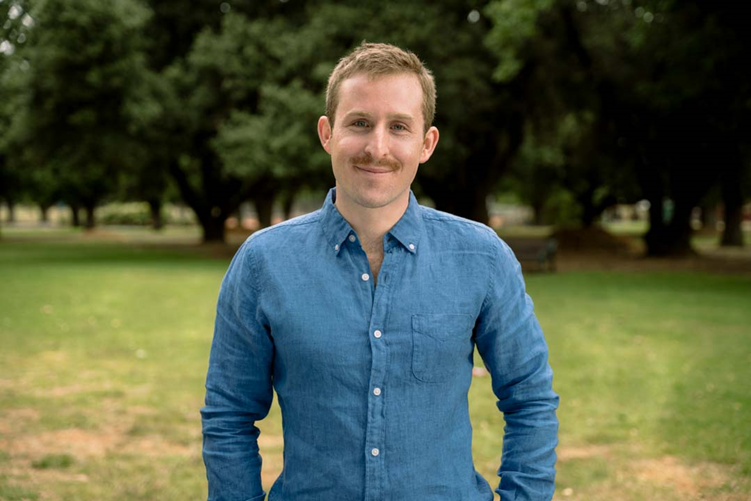
Angus Ferguson